

What People Are Really Asking in 2026
The low carb vs. low fat debate isn’t dead it’s just matured. Even with decades of dieting behind us, people still want a clear answer to a messy question: which way of eating actually works best? The internet thrives on black and white takes, but human metabolism isn’t that simple. That’s why the argument sticks around.
Over the last ten years, we’ve seen diet trends come and go. Keto had its moment. Intermittent fasting surged. Paleo became shorthand for clean eating. Then came the plant based boom. But through it all, the basic tug of war between cutting carbs or cutting fat has stayed center stage. Why? Because they’re both rooted in real science but also packed with half truths, anecdotal wins, and social media echo chambers.
Current research doesn’t hand out trophies. Meta analyses show weight loss is possible on both low carb and low fat diets, as long as they’re done well and sustained. The real variable isn’t the macronutrient it’s adherence, lifestyle fit, and individual biology. Some people thrive cutting carbs. Others do better trimming fat. General health markers like cholesterol, blood sugar, and inflammation respond differently in different bodies.
So no, there’s still no one size fits all answer in 2026. But there’s growing clarity: diet wars are less about sides and more about asking better questions. What works for you? What helps you stay consistent? And are you really eating for long term health or just trying to win the next 30 day challenge?
How Low Carb Diets Actually Work
At its core, a low carb diet trims back sugars and starches think bread, pasta, candy, soda. Instead of carbs fueling your engine, your body turns to fat for energy. That shift changes your metabolism. When carbs drop, insulin levels fall, and fat becomes more available for burning. For many people, that leads to sharper energy, better focus, and fewer blood sugar crashes.
The benefits tend to appear quickly. Weight comes off faster in the beginning, especially water weight. With fewer insulin spikes, fat storage slows down. Hunger tends to decrease too, thanks to more satisfying meals with higher fat and protein content.
But it’s not all upside. Sustainability is a major hurdle cutting carbs too hard can burn people out. Many low carb plans also sideline fiber rich foods, which can lead to digestive issues. And let’s be real: social situations get tricky when you’re dodging buns, rice, or the occasional slice of birthday cake.
A low carb diet can feel powerful when it clicks. But keeping it going long term takes planning, flexibility, and a little social finesse.
How Low Fat Diets Function
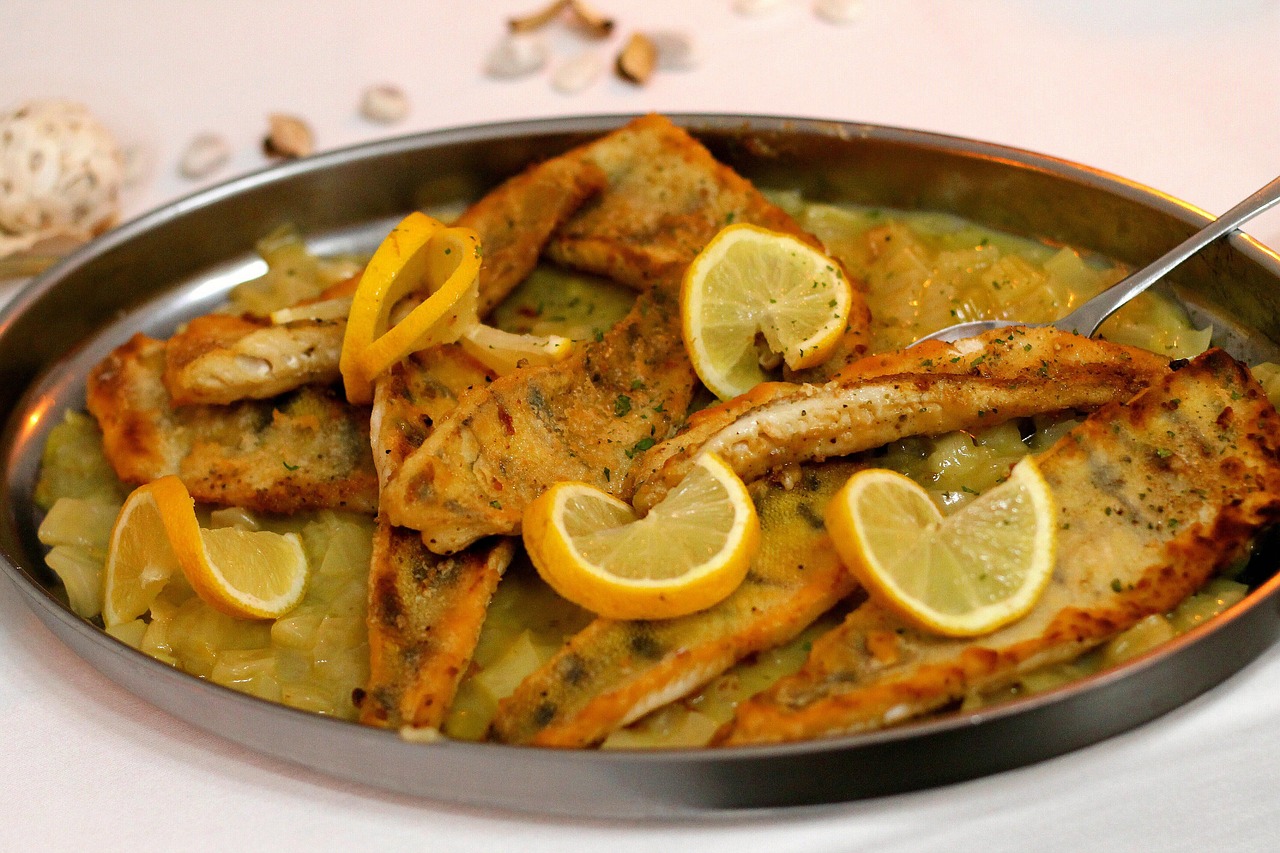
At its core, a low fat diet cuts down on one of the most calorie dense nutrients fat. Since each gram of fat packs more than twice the calories of carbs or protein, shaving it from meals can reduce calorie intake fast. The usual swap? Less butter, oils, and fatty cuts of meat. More fruits, whole grains, beans, and lean proteins like chicken breast or fish.
This approach has long been linked to heart health, especially when paired with whole foods and limited processed sugar. It can also be easier to stick with for people who thrive on volume low fat eaters often feel like they can eat more, even if the meals are technically lighter.
But here’s where it gets tricky. Fat does more than add calories. It helps you absorb key vitamins (A, D, E, K), keeps you full longer, and plays a role in hormone function. Strip too much of it away, and you may deal with hunger, mood dips, or even nutrient deficiencies.
In the age of keto and paleo, low fat feels retro but for some, it still works. The trick is doing it smart, not extreme.
What the Science Says Today
By 2026, the verdict is clear: there is no one size fits all diet. Despite decades of debate, recent nutrition studies point to an obvious but often ignored reality what works for someone else might not work for you. Low carb or low fat, vegan or paleo, the answer depends more on your biology than your beliefs.
Large scale meta analyses now show only small differences in effectiveness across major diet types when averaged out. The real variables genetics, body composition, lifestyle, and daily activity explain most of the success or failure in dieting. A diet that works for an endurance athlete might backfire on someone with a desk job. It’s not just what you eat; it’s who you are, how you move, and what your body needs.
The real win comes from personalization. DNA based insights, metabolic testing, and custom meal planning are gaining ground, but even without high tech tools, people are learning to tune into what fuels them best. Across the board, long term health hinges less on whether a diet is low in carbs or fat, and more on whether you can stick with it.
Don’t pick a label. Pick a strategy you can live with one that keeps you nourished, energized, and consistent.
Choosing What Fits You Best
By now, it’s clear: there’s no one size fits all diet that magically works for everyone. That’s where personalization comes in. Diagnostic tools like genetic testing, glucose monitors, and even gut biome analysis are helping people figure out how their bodies respond to different foods. Not everyone spikes from the same carbs or feels full from the same fats, and knowing those patterns can guide smarter food choices that stick.
But data alone doesn’t lock in success. Behavioral fit matters just as much. Do you do better with routine meals or variety? Do social situations throw you off track? The best diet isn’t just the one with solid science behind it it’s the one that works with your habits, not against them. That’s why some people thrive on structure heavy eating plans, while others need flexibility
to stay sane.
If neither low fat nor low carb feels sustainable, consider blended models. The Mediterranean and DASH diets are two solid middle ground approaches. Both emphasize whole foods, healthy fats, and a sustainable pace less about strict macro counts, more about real life balance.
For a closer look, read up on Understanding the DASH Diet for Heart Health.
Bottom Line for Real Life Results
Here’s the truth: both low carb and low fat diets can lead to positive outcomes if you can actually stick to them. Consistency beats trendiness every single time. It’s not about which plan has more hype or which study just made headlines. It’s about what you can wake up and follow daily without dread.
The best diet is the one that works with your life, not against it. That means you don’t hate the meals, you don’t feel socially isolated, and you’re not constantly fighting cravings. Whether that’s a high protein low carb setup, a plant heavy low fat approach, or something in between what matters is how it fits you.
Forget chasing what’s “hot” right now. Focus instead on how your energy feels, how your clothes fit, and what your health markers say. A good eating plan should make your life better not more complicated.
 Roberton Nielsoneth is the kind of writer who genuinely cannot publish something without checking it twice. Maybe three times. They came to dietary guidelines and plans through years of hands-on work rather than theory, which means the things they writes about — Dietary Guidelines and Plans, Weight Management Strategies, Fitness Routines and Workouts, among other areas — are things they has actually tested, questioned, and revised opinions on more than once.
That shows in the work. Roberton's pieces tend to go a level deeper than most. Not in a way that becomes unreadable, but in a way that makes you realize you'd been missing something important. They has a habit of finding the detail that everybody else glosses over and making it the center of the story — which sounds simple, but takes a rare combination of curiosity and patience to pull off consistently. The writing never feels rushed. It feels like someone who sat with the subject long enough to actually understand it.
Outside of specific topics, what Roberton cares about most is whether the reader walks away with something useful. Not impressed. Not entertained. Useful. That's a harder bar to clear than it sounds, and they clears it more often than not — which is why readers tend to remember Roberton's articles long after they've forgotten the headline.
Roberton Nielsoneth is the kind of writer who genuinely cannot publish something without checking it twice. Maybe three times. They came to dietary guidelines and plans through years of hands-on work rather than theory, which means the things they writes about — Dietary Guidelines and Plans, Weight Management Strategies, Fitness Routines and Workouts, among other areas — are things they has actually tested, questioned, and revised opinions on more than once.
That shows in the work. Roberton's pieces tend to go a level deeper than most. Not in a way that becomes unreadable, but in a way that makes you realize you'd been missing something important. They has a habit of finding the detail that everybody else glosses over and making it the center of the story — which sounds simple, but takes a rare combination of curiosity and patience to pull off consistently. The writing never feels rushed. It feels like someone who sat with the subject long enough to actually understand it.
Outside of specific topics, what Roberton cares about most is whether the reader walks away with something useful. Not impressed. Not entertained. Useful. That's a harder bar to clear than it sounds, and they clears it more often than not — which is why readers tend to remember Roberton's articles long after they've forgotten the headline.