
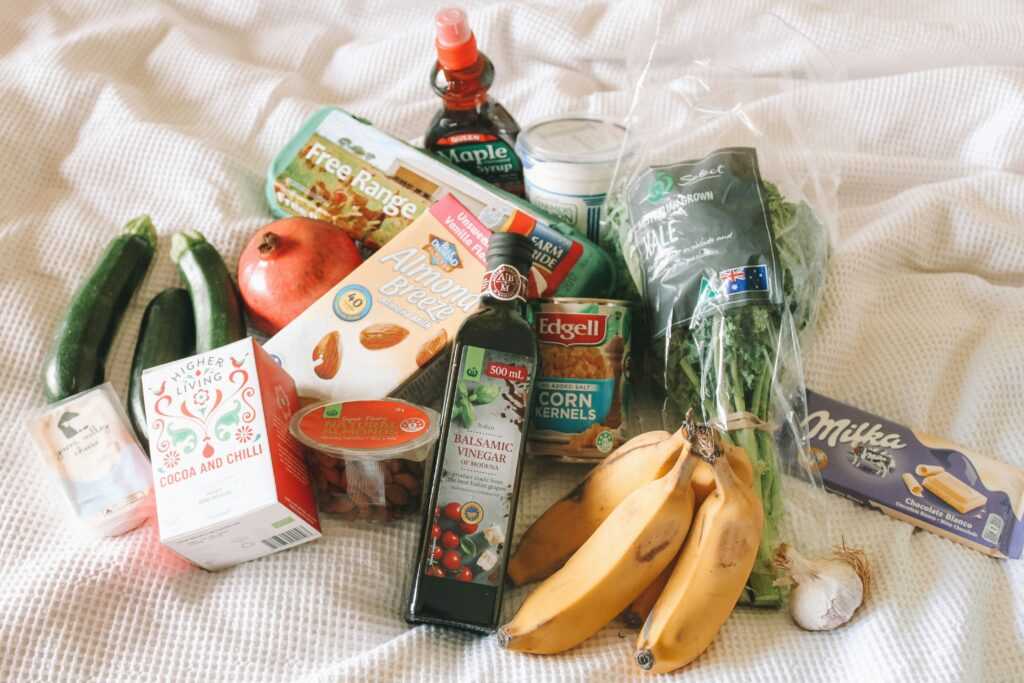
Get Clear On What “Balanced” Really Means
A balanced diet isn’t a trendy cleanse, a week long fix, or a punishment. It’s not about restriction it’s about fuel. A smart, sustainable meal plan gives your body what it needs to function well, every day, without obsessing over every bite. It’s long game thinking: eat in a way today that your body will thank you for tomorrow.
Start with the basics the macronutrients, aka your food’s primary building blocks. Protein repairs muscle and helps you stay full. Carbs give you energy to move, think, and get through the workday. And fats? The good ones support brain health and hormone function. You don’t need to ditch any of them; you just need the right mix.
Then there are micronutrients vitamins and minerals like vitamin D, iron, magnesium, and zinc. Tiny but mighty, they keep your immune system sharp, your bones strong, and your metabolism running. The catch? Most people don’t get enough, especially from processed meals. That’s why variety matters. Fresh veggies, whole grains, legumes, lean meats, and healthy fats do more than fill you up they fill the gaps.
Balanced means smart. Balanced means consistent. Balanced means giving your body what it needs not depriving it of what it craves.
Build Your Plate With Purpose
Creating a balanced diet isn’t just about choosing the right foods it’s also about being intentional with portions, variety, and food labels. This section breaks down practical, beginner friendly approaches to designing your plate for optimal nutrition.
Use the 50/25/25 Method for Portion Control
A well portioned plate helps you feel satisfied and energized while preventing excessive calorie intake. One of the most effective visual tools is the 50/25/25 method:
50% vegetables and fruits: Focus on non starchy vegetables for fiber, vitamins, and minerals
25% lean proteins: Think chicken, fish, beans, tofu, or eggs
25% whole grains or healthy starches: Such as brown rice, quinoa, sweet potatoes, or whole grain pasta
This method helps you balance macronutrients without having to count every bite.
Eat the Rainbow: Color Equals Nutrition
The phrase “eat the rainbow” is more than a catchy slogan it’s a useful strategy to ensure you’re getting a variety of nutrients.
Red foods (like tomatoes and strawberries) contain antioxidants like lycopene
Orange/yellow foods (like carrots or mangoes) provide immune boosting vitamin C and beta carotene
Green foods (like spinach and broccoli) are rich in iron, fiber, and calcium
Blue/purple foods (like blueberries and eggplant) support brain and heart health with anthocyanins
Aim for at least 3 4 different colors on your plate at each meal when possible. Variety often leads to more well rounded nutrition.
How to Read a Nutrition Label Without Overthinking It
Nutrition labels offer powerful insight but only if you know what matters. Here’s where to focus:
Serving size: Always look at this first everything else on the label is based on it.
Calories vs. nutrients: Don’t just look at calories. Check for added sugars, saturated fat, sodium, fiber, and protein.
Ingredients list: Aim for products with ingredients you recognize and avoid those with long, ultra processed lists of additives.
Quick Tip: Use the “Rule of 5 and 20.” If a nutrient is 5% or less of the Daily Value (DV), it’s considered low; if it’s 20% or more, it’s considered high. This makes scanning nutrients easier and faster.
By mastering portions, aiming for variety in color, and decoding labels, you’re well on your way to building a nourishing plate with purpose.
Meal Timing & Consistency
Skipping meals to “save calories” isn’t clever it just sets you up to crash. Regular meals keep your energy steady and your metabolism on track. Crash diets? They might drop your weight for a week, but they also tank your mood, your energy, and any long term discipline. Stability wins over extremes every single time.
Learning to read your hunger cues matters more than sticking to the clock. Real hunger builds slowly, isn’t tied to emotions or boredom, and doesn’t hit like a sudden craving for chips. Don’t ignore it respond with food that fuels you. Protein and fiber keep you full, not just busy.
As for snacks, treat them like mini meals, not cheat codes. A boiled egg and some carrot sticks? That works. A handful of candy from your desk drawer? Not so much. Plan ahead. Keep a couple of simple, satisfying options ready so you don’t spiral into a convenience food trap when your stomach starts shouting.
Bottom line: Feed yourself consistently, listen to your body, and pack snacks with purpose. That’s how you stay fueled without losing control.
Budget Friendly Planning That Works

Start with your staples. There are a few items you should always have on hand things that make meal prep easier and keep your grocery bill grounded. Think eggs, oats, canned beans, rice, frozen vegetables, and a few go to proteins like chicken thighs or tofu. Add in olive oil, spices, and a citrus or two, and you’ve got a solid foundation for pretty much any meal.
Now, meal prepping doesn’t mean cooking every bite of the week ahead of time in perfectly portioned containers. That’s burnout fuel. For beginners, the goal is to prep components, not complete meals. Roast a tray of veggies, batch cook some grain, hard boil a few eggs, maybe whip up a simple sauce. These small moves buy back time on busy days and make healthy choices a lot more automatic.
As for the weekly plan keep it realistic. Skip the Pinterest marathon and start with three dinners you know you’ll actually cook. Build a grocery list off that. Allow room for flexibility, because life happens. When things get hectic, having a plan even a loose one makes all the difference.
This isn’t about being perfect. It’s about having a system that holds up on your worst day, not just your best one.
Common Pitfalls To Avoid
Even with the best intentions, it’s easy to fall into traps that slow down your progress or lead to frustration. Avoiding these common mistakes can make your balanced diet plan more sustainable and effective.
Mistaking “Low Fat” for Healthy
Not all “low fat” options are created equal. In fact, many processed foods labeled as low fat are packed with added sugar, sodium, or artificial ingredients to make up for the flavor loss.
Watch for:
Low fat yogurts or dressings with hidden sugars
Snack foods that seem healthy based on packaging
Over reliance on health claims instead of reading nutrition labels
Better strategy: Choose whole, minimally processed foods with healthy fats like avocados, nuts, seeds, and olive oil. Focus on total nutrition rather than just fat content.
Overlooking Fiber and Hydration
Fiber and water don’t make flashy headlines, but they are essential to a dietary plan that supports digestion, energy, and overall wellness.
Why fiber matters:
Supports healthy digestion
Helps regulate blood sugar levels
Keeps you feeling full longer
Why hydration matters:
Boosts metabolism and supports cellular function
Prevents fatigue often mistaken for hunger
Assists in nutrient absorption
Quick tips:
Add leafy greens, beans, whole grains, and fruits to meals
Carry a water bottle and set hydration reminders
Overhauling Too Much, Too Fast
Trying to change everything overnight can lead to burnout and inconsistency. Long lasting change comes from small, intentional shifts you can maintain.
Avoid:
Cutting out entire food groups suddenly
Drastically reducing calories without guidance
Imitating extreme diets from social media
Instead:
Introduce 1 2 new habits per week
Celebrate consistency over perfection
Adjust your plan as you learn more about what works for your body
Building a balanced diet isn’t about immediate perfection it’s about making smarter choices step by step.
Go Further With Trusted Essentials
When it comes to nutrition, whole foods should always come first but targeted supplements can help fill in gaps when used wisely. Navigating what’s truly helpful (and what’s just hype) is key for anyone looking to round out a balanced diet.
Multivitamins: Useful or Unnecessary?
Multivitamins are often seen as a simple catch all solution for boosting nutrition, but the truth is more nuanced:
Useful if: your diet lacks variety, you’re on a restricted eating plan, or you have specific health concerns that limit nutrient absorption.
Unnecessary if: you’re consistently eating a wide array of whole, colorful foods rich in vitamins and minerals.
Tip: Always choose third party tested brands to ensure quality and dosage accuracy.
How Supplements Fit Into a Balanced Approach
Supplements can support your health goals, but they shouldn’t replace real food. Think of them as a supportive layer not the foundation.
Here’s how to use them effectively:
Use supplements to target specific deficiencies (like Vitamin D, B12, or Omega 3s).
Consult a healthcare professional before introducing anything new especially if you’re already on medications or managing a health condition.
Track how your body responds, and adjust as needed. Not everything works the same for everyone.
Bonus Resource: Top Health Advice You’ll Actually Use
It’s easy to get overwhelmed with information stick to advice that’s backed by real science and practical enough to stick with.
Check out this guide for simple, actionable ways to elevate your health routine: Top health advice
Stay Flexible, Not Perfect
Eating Out Doesn’t Have to Derail You
Life happens and that includes dinner dates, takeout, and the occasional drive thru stop. Building a balanced diet means knowing how to navigate real life scenarios without guilt or extreme restrictions.
Smart strategies for balanced eating on the go:
Check menus ahead of time and plan your choice
Swap fried for grilled or steamed when possible
Prioritize veggies and lean proteins
Watch out for calorie heavy extras like creamy dressings or oversized sides
Progress Over Perfection
One meal won’t make or break your health journey. Trying to be perfect often leads to burnout and unrealistic expectations. Instead, focus on consistency and giving yourself grace.
What progress really looks like:
Making more balanced choices over time
Noticing your energy and mood improve
Learning from slips instead of starting over each time
Small Shifts = Long Term Results
Transforming your diet doesn’t have to mean a complete overhaul. Often, the most effective changes are the smallest, repeated consistently.
Micro habits that stick:
Start drinking one extra glass of water per day
Add a serving of vegetables to one meal daily
Choose whole grains more often than not
These simple adjustments, when done regularly, create sustainable habits that lead to a more balanced, enjoyable approach to nutrition.
Next Steps That Stick
You don’t have to log every crumb, but tracking what you eat even loosely builds awareness. Use apps, a notes app, or just a notebook. The goal isn’t to obsess. It’s to notice patterns. Skipping lunch every Tuesday? Mindless snacking when stressed? You’ll catch it faster when it’s down in writing.
The other move that makes this all easier? Don’t go it alone. Find a friend, coworker, or even an online group who’s also trying to eat better. Accountability makes healthy habits easier to build and harder to break. Share wins, swap recipes, talk through setbacks.
Still not sure what changes actually matter? No need to overcomplicate. Start with Top health advice you’ll actually use in real life it cuts through the noise and gives you a solid foundation without the fluff.
 Johnstere Shackelfords has opinions about dietary guidelines and plans. Informed ones, backed by real experience — but opinions nonetheless, and they doesn't try to disguise them as neutral observation. They thinks a lot of what gets written about Dietary Guidelines and Plans, Meal Planning and Preparation, Fitness Routines and Workouts is either too cautious to be useful or too confident to be credible, and they's work tends to sit deliberately in the space between those two failure modes.
Reading Johnstere's pieces, you get the sense of someone who has thought about this stuff seriously and arrived at actual conclusions — not just collected a range of perspectives and declined to pick one. That can be uncomfortable when they lands on something you disagree with. It's also why the writing is worth engaging with. Johnstere isn't interested in telling people what they want to hear. They is interested in telling them what they actually thinks, with enough reasoning behind it that you can push back if you want to. That kind of intellectual honesty is rarer than it should be.
What Johnstere is best at is the moment when a familiar topic reveals something unexpected — when the conventional wisdom turns out to be slightly off, or when a small shift in framing changes everything. They finds those moments consistently, which is why they's work tends to generate real discussion rather than just passive agreement.
Johnstere Shackelfords has opinions about dietary guidelines and plans. Informed ones, backed by real experience — but opinions nonetheless, and they doesn't try to disguise them as neutral observation. They thinks a lot of what gets written about Dietary Guidelines and Plans, Meal Planning and Preparation, Fitness Routines and Workouts is either too cautious to be useful or too confident to be credible, and they's work tends to sit deliberately in the space between those two failure modes.
Reading Johnstere's pieces, you get the sense of someone who has thought about this stuff seriously and arrived at actual conclusions — not just collected a range of perspectives and declined to pick one. That can be uncomfortable when they lands on something you disagree with. It's also why the writing is worth engaging with. Johnstere isn't interested in telling people what they want to hear. They is interested in telling them what they actually thinks, with enough reasoning behind it that you can push back if you want to. That kind of intellectual honesty is rarer than it should be.
What Johnstere is best at is the moment when a familiar topic reveals something unexpected — when the conventional wisdom turns out to be slightly off, or when a small shift in framing changes everything. They finds those moments consistently, which is why they's work tends to generate real discussion rather than just passive agreement.