Why Batch Cooking Works
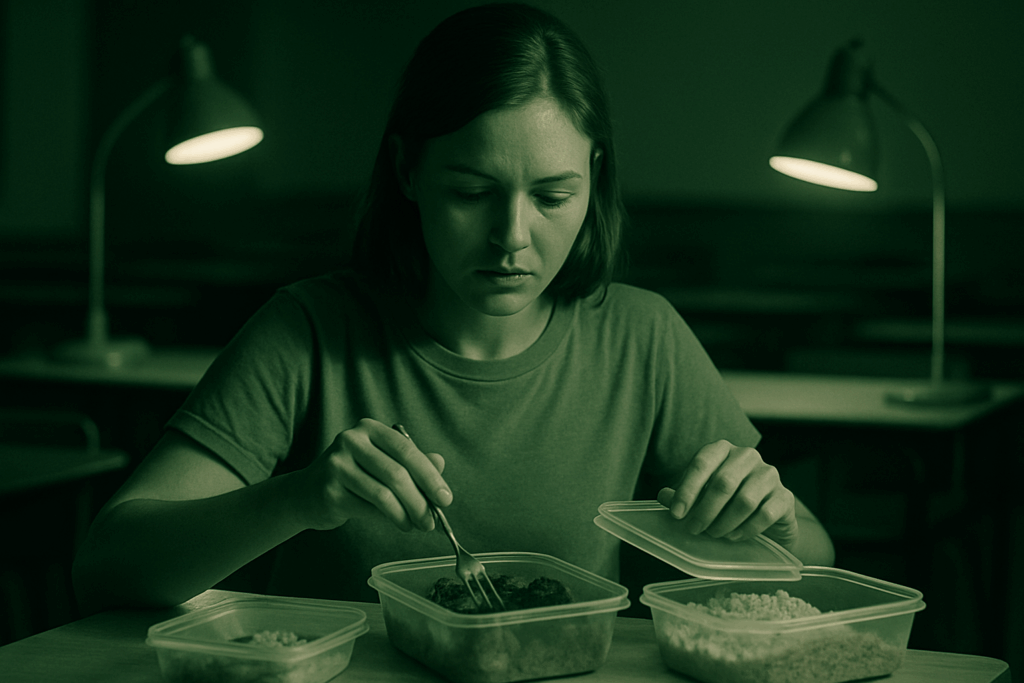
Batch cooking isn’t trendy it’s practical. If you’ve ever stared blankly into an empty fridge after a long day and defaulted to takeout, you’re not alone. Prepping meals in advance cuts those stress points. One solid cooking session, and the rest of your week is on autopilot.
It’s also a quiet fix for portion control and mindless eating. When your meals are already portioned out, you’re not winging it with oversized servings or skipping meals altogether. You eat with purpose, not panic.
And if you’ve got goals weight, performance, energy batch cooking gives structure. Instead of reacting to hunger, you’re fueling with intent. That kind of consistency isn’t just helpful it’s everything.
Planning Before You Cook
Start simple. Two proteins, two to three vegetables, and one or two smart carbs. That’s your core. Good protein picks: chicken thighs (thicker and hard to dry out), and lentils (cheap, filling, and loaded with nutrients). For veggies: go with ones that don’t go soggy think broccoli, peppers, or carrots. And for carbs, you want something stable and flexible. Quinoa and roasted sweet potatoes are about as safe and smart as it gets.
Next, think ahead. Anything you batch has to hold up in the fridge without turning into mush. Avoid delicate greens or anything that depends on a crispy texture. Stick to meals that reheat without regret. Curries, grain bowls, stir fries, and roasted sheet pan combos rarely let you down.
Now sketch. Not fancy diagrams just a rough grid. Plug in your lunches and dinners, and maybe a snack or two like mixed nuts and Keto beef jerky. Shoot for 80% structure, 20% flex. That way, if something unexpected happens midweek (it will), you’re not off the rails. Meal prep doesn’t have to be perfect it just needs to keep you on track.
Power Cooking Session Strategy
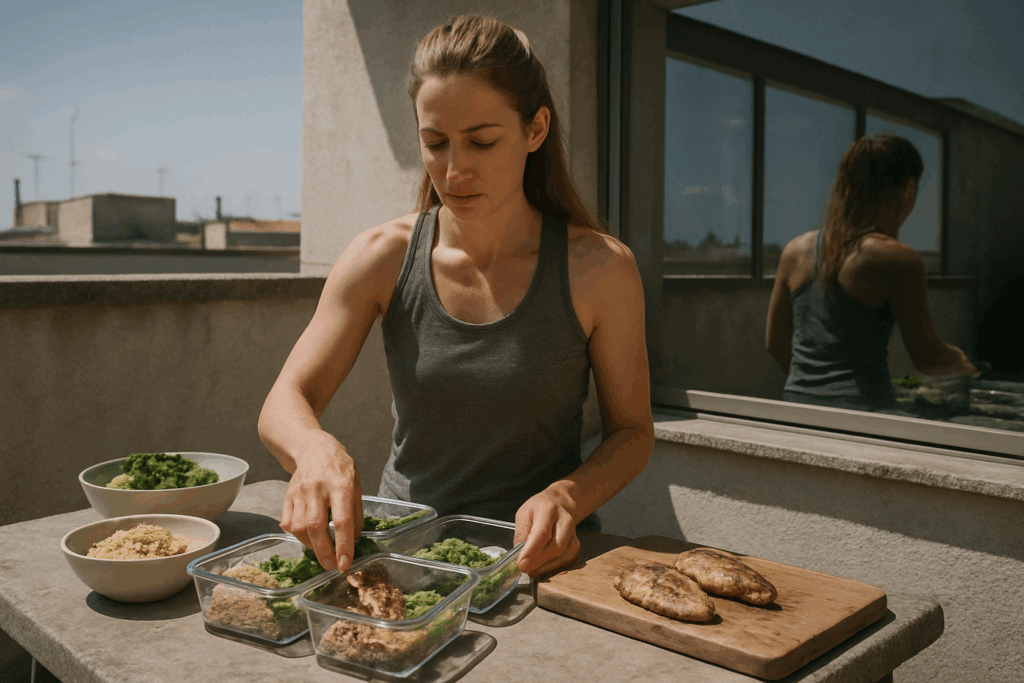
The goal here isn’t gourmet it’s speed, order, and not burning out halfway through. Start by setting up your stations. Chop everything at once: all your onions, all your peppers, all your proteins. Group by type and store in bowls as you go, so you’re not backtracking with every recipe.
Think like a line cook. While your rice cooker is working, get your sheet pan meals in the oven veggies on one tray, protein on another if they cook at different speeds. Use the stovetop for fast cook proteins or sautéed greens. Run all three zones (oven, rice cooker, stove) at once, with a timer in hand.
When it’s time to store, don’t wing it. Use clear glass containers when you can they don’t stain or warp, and you can see what’s inside without lifting the lid. Label everything with the date and contents. If you’re using plastic, make sure it’s BPA free and microwave safe. Don’t overload the fridge with mystery tubs; organized storage makes you more likely to eat what you made.
Sample Prep for a Week
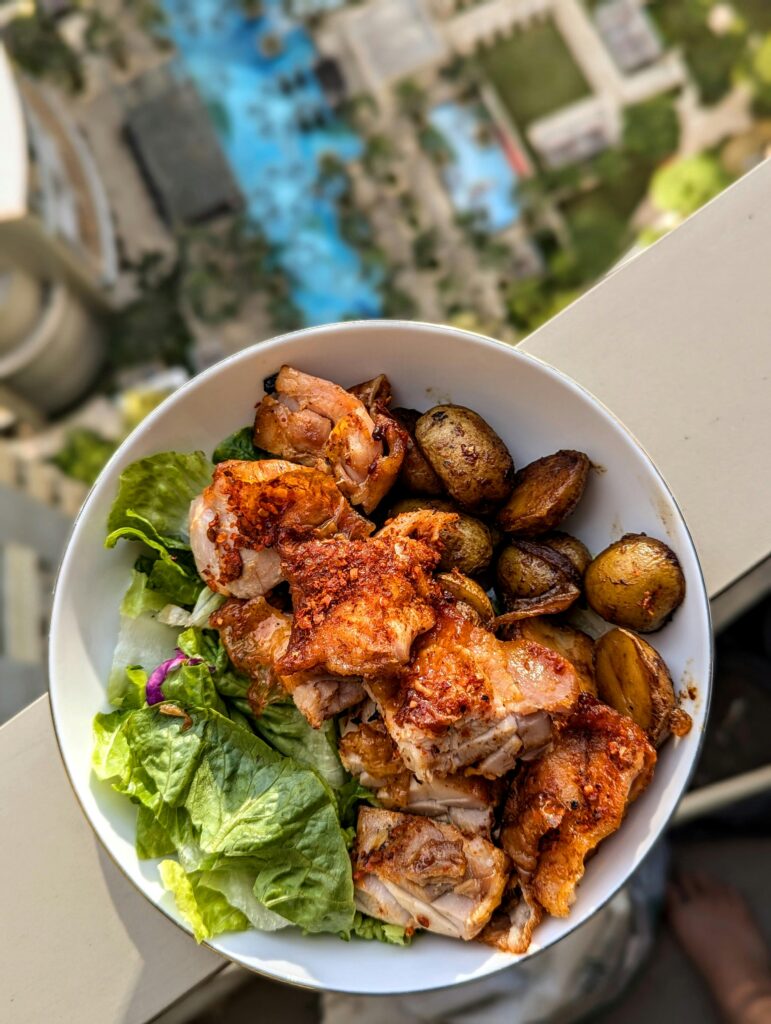
Let’s keep it simple but smart. This week’s prep covers the bases: two proteins, two carbs, and a strong veggie rotation. We’re talking grilled chicken thighs and lentil chili for protein one lean, one plant based. Carbs come in clean and slow burning, with quinoa and roasted sweet potato. Then you’ve got your greens steamed broccoli, roasted peppers, and sautéed greens to round things out.
Here’s the trick: don’t think of these as fixed meals. They’re building blocks. Chicken and quinoa with broccoli? That’s meal one. Lentil chili over sweet potato with greens? Meal two. Swap in roasted peppers for a flavor shift. Add hot sauce or tahini, toss it cold as a salad, drop it in a wrap the combos are endless if you’re willing to get a little creative.
Put in one big prep window now and you’ll have five plus meals without repeating the exact same plate. Still hungry for fusion tips? Check out these balanced meal ideas for inspiration.
Staying Consistent Without Getting Bored
Batch cooking can get dull fast unless you engineer variety into the structure. The simplest move? Rotate your spices. One week it’s smoked paprika and cumin for a Southwest vibe, the next it’s oregano and lemon for Mediterranean. Cajun, Indian, Moroccan you get more mileage from the same ingredients just by shifting the flavor lens.
Also, sauces and toppings aren’t just afterthoughts. A tahini drizzle, a spoon of harissa, chimichurri, or even a dash of hot honey can totally flip how a meal feels. Invest in a few versatile condiments and keep them on hand. They turn leftovers into something new without extra cooking.
And here’s the honest truth: some weeks, you won’t want your prepped meals. That’s fine bake in flexibility. Keep one or two wildcard meal slots for takeout or whatever odd combo sits in your fridge. Sanity counts, and creativity with leftovers sometimes leads to your best plate of the week.
Lock In the Long Term Habit
The more you batch cook, the faster and smoother it gets. With time, you’ll know exactly how much to prep, what tools speed things up, and which combos actually get eaten. Track what works both the wins and the flops. A quick note on your phone or a sticky note inside a cabinet can shave 20 minutes off your next session.
A rolling grocery list tied to your tried and true ingredients is a game changer. You’re not reinventing the wheel each week you’re refining it. Keep staples like brown rice, frozen spinach, or canned beans in stock. Then plug in new flavors or proteins when you feel like switching it up.
By midweek, you’ll thank yourself. No scrambling at 6 PM, no takeout regret. Just solid meals that give predictable energy without the stress. It’s not flashy but it works.
Want more ways to keep meals balanced and energizing? See these balanced meal ideas.
 Roberton Nielsoneth is the kind of writer who genuinely cannot publish something without checking it twice. Maybe three times. They came to dietary guidelines and plans through years of hands-on work rather than theory, which means the things they writes about — Dietary Guidelines and Plans, Weight Management Strategies, Fitness Routines and Workouts, among other areas — are things they has actually tested, questioned, and revised opinions on more than once.
That shows in the work. Roberton's pieces tend to go a level deeper than most. Not in a way that becomes unreadable, but in a way that makes you realize you'd been missing something important. They has a habit of finding the detail that everybody else glosses over and making it the center of the story — which sounds simple, but takes a rare combination of curiosity and patience to pull off consistently. The writing never feels rushed. It feels like someone who sat with the subject long enough to actually understand it.
Outside of specific topics, what Roberton cares about most is whether the reader walks away with something useful. Not impressed. Not entertained. Useful. That's a harder bar to clear than it sounds, and they clears it more often than not — which is why readers tend to remember Roberton's articles long after they've forgotten the headline.
Roberton Nielsoneth is the kind of writer who genuinely cannot publish something without checking it twice. Maybe three times. They came to dietary guidelines and plans through years of hands-on work rather than theory, which means the things they writes about — Dietary Guidelines and Plans, Weight Management Strategies, Fitness Routines and Workouts, among other areas — are things they has actually tested, questioned, and revised opinions on more than once.
That shows in the work. Roberton's pieces tend to go a level deeper than most. Not in a way that becomes unreadable, but in a way that makes you realize you'd been missing something important. They has a habit of finding the detail that everybody else glosses over and making it the center of the story — which sounds simple, but takes a rare combination of curiosity and patience to pull off consistently. The writing never feels rushed. It feels like someone who sat with the subject long enough to actually understand it.
Outside of specific topics, what Roberton cares about most is whether the reader walks away with something useful. Not impressed. Not entertained. Useful. That's a harder bar to clear than it sounds, and they clears it more often than not — which is why readers tend to remember Roberton's articles long after they've forgotten the headline.