I’ve seen too many people eat all the right foods and still wonder why they’re not getting results.
You’re probably tracking your meals and choosing healthy options. But if your portions are off, none of that matters as much as you think.
Here’s the truth: portion control is the missing piece most people ignore. And it’s usually the reason your progress has stalled.
I put together this guide to fix that problem. You’ll learn how to measure portions without turning every meal into a math problem.
The strategies I’m sharing come from established nutritional science. But more importantly, they work for people with actual lives who don’t have time to weigh every bite.
You’ll get practical techniques using simple kitchen tools and visual cues. No complicated systems or apps you’ll abandon in a week.
diet hacks twspoondietary focuses on making healthy eating sustainable. That means giving you methods that stick, not just information that sounds good.
By the end of this guide, you’ll know exactly how much to eat. And you’ll be able to eyeball portions without second-guessing yourself.
Why Portion Control is the Unsung Hero of Healthy Eating
You’ve probably heard it before.
Eat healthy foods and you’ll lose weight.
So you load up on almonds, drizzle olive oil on everything, and add half an avocado to your salad. All healthy choices, right?
Then you step on the scale and nothing’s changed.
Here’s what nobody tells you. Healthy foods can still pack serious calories. A handful of almonds? That’s around 160 calories. Two tablespoons of olive oil? Another 240 calories right there.
I see this all the time. People swap junk food for nutritious options but eat way more than they realize.
The real problem is portion distortion. Restaurant servings have doubled since the 1980s (and sometimes tripled). Your brain now thinks a normal meal is actually two or three servings.
But portion control isn’t about starving yourself.
It’s about awareness. Knowing what your body actually needs instead of what your eyes think looks right.
Here’s a simple diet hacks twspoondietary approach. Use your hand as a guide. Your palm is roughly one serving of protein. Your fist is about one cup of vegetables. Your thumb is a serving of fats like peanut butter or cheese.
Start measuring your food for just one week. You’ll be surprised how much you’ve been eating without realizing it.
The goal isn’t perfection. It’s understanding. When you know what a real portion looks like, you can make better choices without feeling deprived.
Your Essential Portion Measurement Toolkit
I used to eyeball everything.
A handful of rice here. A splash of oil there. I’d tell myself I was pretty good at guessing portions.
Then I actually weighed my “handful” of almonds one day. Turns out my handful was closer to three servings. No wonder I wasn’t seeing the results I wanted.
The Digital Food Scale: The Gold Standard
Here’s what changed everything for me.
I bought a cheap food scale for about fifteen bucks. Started weighing my chicken breast and rice portions. The difference between what I thought I was eating and what I was actually eating? Pretty shocking.
A scale gives you the real numbers. No guessing. No “that looks about right.”
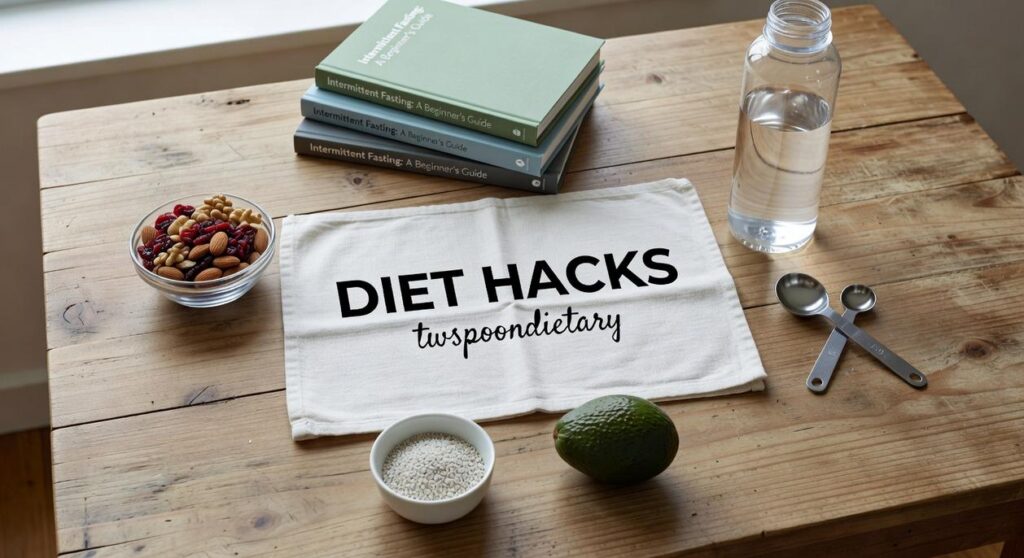
The tare function is your best friend. (I wish someone had explained this to me earlier.) You put your plate or bowl on the scale, hit tare to zero it out, then add your food. The scale only measures the food weight, not the container.
I use this for proteins like chicken and fish. For grains like rice and quinoa. For anything solid where weight matters more than volume.
Measuring Cups and Spoons: Best for Liquids and Powders
But I don’t weigh everything.
Liquids are easier with measuring cups. Olive oil, salad dressing, milk. These flow better into cups and spoons than onto a scale.
Same goes for powders. Flour, protein powder, anything fine and light. Volume works better here because these ingredients can compress or settle differently on a scale.
I keep a set of measuring spoons right next to my stove. Makes it simple to measure out that tablespoon of oil instead of just pouring.
Portion Control Plates and Containers: Visual Guides for Beginners
When I first started with twspoondietary, I measured everything. Every single meal.
After a few weeks, something clicked. I started to see what proper portions actually looked like on my plate.
That’s where portion control plates come in handy. They have sections marked out for vegetables, proteins, and carbs. You fill each section and you’re done.
No scale needed once you’ve trained your eye.
I still use these when I’m tired or rushed. They keep me honest without the extra work. And honestly, they’re great for learning the diet hacks twspoondietary teaches about balanced plate composition.
The goal isn’t to measure forever. It’s to measure until you don’t need to anymore.
Practical Measurement Tips for Everyday Meals
You know what trips up most people trying to eat better?
It’s not willpower. It’s not even knowing what to eat.
It’s the measuring part.
I see this all the time. Someone commits to tracking their food and then gets overwhelmed by the math. They start guessing portion sizes and wonder why their results don’t match their effort.
Now, some folks will tell you that measuring food is obsessive. That you should just listen to your body and eat intuitively. And sure, that works great if you’ve already spent years calibrating your hunger signals.
But for the rest of us? We need a system.
Here’s what actually works when you’re trying to get your portions right without losing your mind.
Measure ingredients before you cook them. This one saves you so much confusion. Pasta doubles in size when it’s cooked. Rice triples. If you’re trying to track an athletic meal twspoondietary style, weighing that pasta dry gives you the real numbers. No guessing if that bowl is 200 calories or 400.
Once you’ve got that down, try the batch and divide method. Cook a big pot of chicken or quinoa on Sunday. Then immediately portion it out into containers while you’ve got your scale handy. You measure once and eat all week without thinking about it.
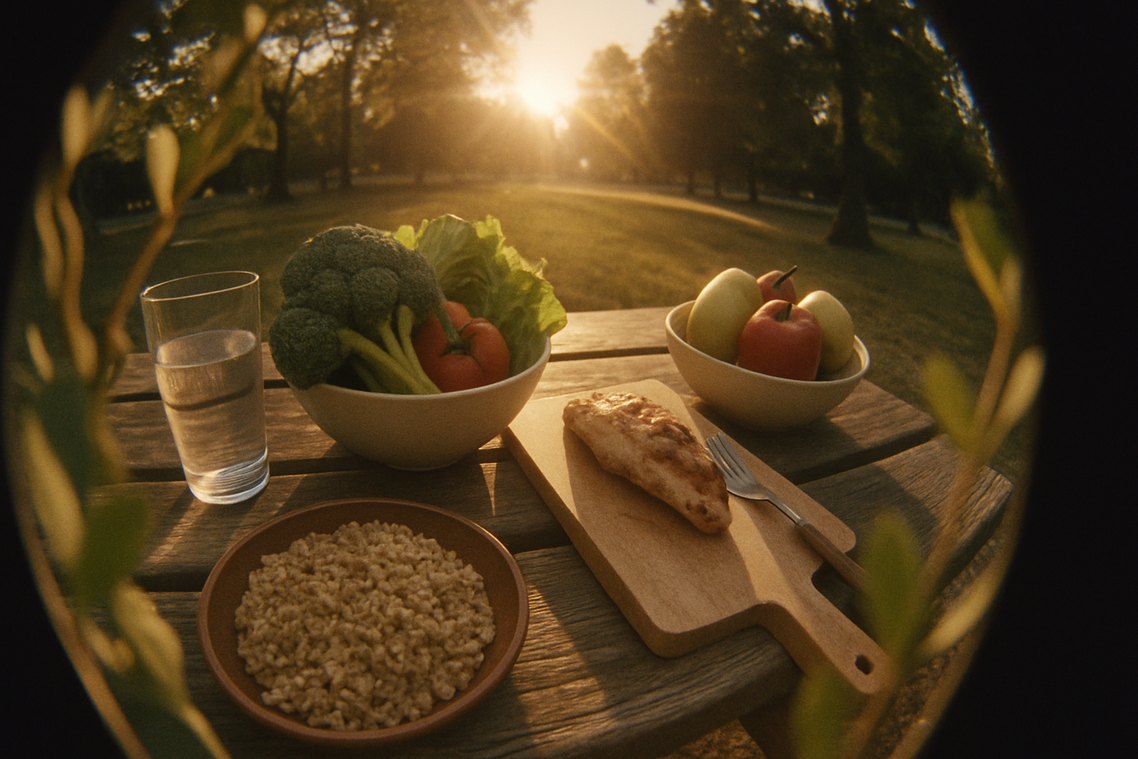
The visual check comes next. Start with the basic plate rule (half veggies, quarter protein, quarter carbs) and then verify with your tools. Your eyes will learn faster than you think. After a few weeks, you’ll be pretty close without the scale.
But here’s where people mess up the most.
Liquids. Especially the calorie dense ones.
Never eyeball oils, creamers, or dressings. That innocent drizzle of olive oil? Could be 200 calories if you’re not careful. One tablespoon is 120 calories and it’s way less than you think. Use a measuring spoon every single time.
These diet hacks twspoondietary aren’t about perfection. They’re about removing the daily decision fatigue that makes healthy eating feel impossible.
You don’t need to measure forever. Just long enough to train your instincts.
No Tools? No Problem: Estimating Portions On the Go
You’re at a restaurant. The waiter sets down a plate piled with food.
How much should you actually eat?
Most people just guess. They eyeball it and hope for the best. But that’s how you end up eating way more than you planned (or way less if you’re trying to build muscle).
Here’s what I do instead.
I use my hand. Sounds simple because it is. Your hand travels with you everywhere and it’s roughly proportional to your body size. Someone with a bigger frame has bigger hands and needs more food. It works out pretty well.
Let me break down the basics.
For protein, think about the palm of your hand without the fingers. That’s roughly 3 to 4 ounces of chicken, fish or beef. If you’re eating athletic meals twspoondietary style and training hard, you might need two palms worth.
Carbs are easy. Make a fist. That’s about one cup of rice, pasta or potatoes.
Vegetables? Cup one hand or both hands together. That’s your serving size. Go for two cupped hands if you can. More veggies never hurt anyone.
Fats are tricky because they’re calorie dense. The tip of your thumb from the knuckle up is roughly one tablespoon. That’s your serving of butter, oil or nut butter.
Now here’s the catch.
Your eyes can lie to you over time. I’ve seen it happen. You start getting loose with your estimates and suddenly your fist looks more like a softball than a baseball.
So every few weeks, measure your food at home with actual tools. Compare what you think is a cup against what really is a cup. It keeps you honest.
This isn’t about being perfect. It’s about having a system when you don’t have your scale or measuring cups handy.
Works at parties. Works on vacation. Works anywhere food shows up unexpectedly.
From Measurement to Mastery: Your Path to Sustainable Health
I get it.
You’ve been eating clean for weeks and the scale won’t budge. You’re doing everything right but something’s still off.
The problem isn’t what you’re eating. It’s how much.
Portion size is the missing piece most people ignore. You can eat the healthiest foods on the planet and still not see results if your portions are wrong.
This guide gives you the tools to fix that. You’ll learn how to measure portions at home and estimate them when you’re out. No more guessing.
I’ve seen too many people give up because they couldn’t figure out why their diet stopped working. The answer is usually sitting right there on their plate.
You came here frustrated with your plateau. Now you know how to break through it.
Precision matters. When you measure your portions consistently you build habits that actually stick.
Here’s what to do: Start with your very next meal. Use measuring tools at home and practice visual cues when you eat out. Make it automatic.
twspoondietary brings you practical diet hacks that work in real life (not just in theory). We focus on strategies you can use today.
Stop guessing and start measuring. Your sustainable health journey begins with the portions on your plate. Homepage.