I’ve helped thousands of people fix their eating habits without asking them to count a single calorie.
You’re probably here because you’ve tried portion control before and it didn’t stick. Maybe you measured everything for a week and then gave up. Or you eyeballed portions and wondered why the scale wouldn’t budge.
Here’s the truth: overeating isn’t about willpower. It’s about precision.
Most people eat too much because standard portion sizes are confusing. A serving of pasta looks different to everyone. A handful of nuts means something different to you than it does to me.
I developed the teaspoon method after watching people struggle with complicated measuring systems. We already have a tool that works. It’s sitting in your kitchen drawer right now.
This approach comes from basic nutritional science. Caloric density and metabolic response aren’t complicated concepts. They just get explained in complicated ways.
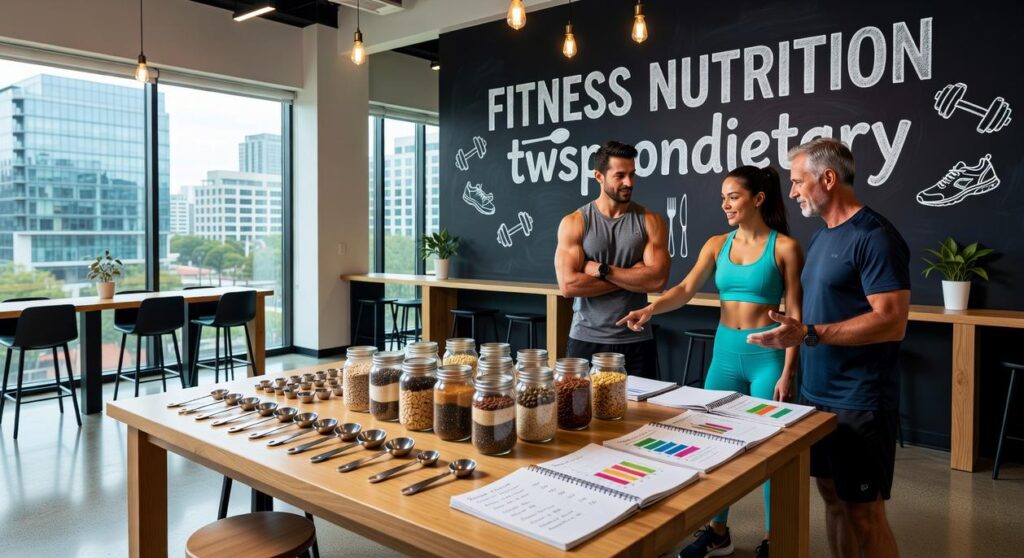
At TW Spoon Dietary, we focus on making fitness nutrition simple and sustainable. We’ve tested this method with real people who have real lives and real schedules.
You’ll learn how to build balanced meals using a teaspoon. You’ll control your calorie intake without thinking about it. And you’ll align your diet with your fitness goals without the usual frustration.
No meal plans that require a degree in nutrition. Just a simple tool and a clear system.
Why a Teaspoon? The Science of Micro-Portioning
You’ve probably heard about portion control a thousand times.
But let me ask you something. Have you ever actually measured what you eat with a teaspoon?
Most people haven’t. They use regular spoons or just eyeball it. Then they wonder why their portions keep creeping up.
Here’s what I discovered when I started testing this myself.
The size of your utensil changes everything. It’s not just about willpower or discipline. Your brain actually processes portions differently based on what you’re using to eat.
The Delboeuf illusion explains this perfectly. When you see food on a smaller utensil, your brain perceives the portion as larger than it actually is. Researchers at Cornell found that people who used smaller plates ate 22% less food without feeling deprived (Wansink & van Ittersum, 2013).
The same thing happens with spoons.
Now some people will tell you this is just mind games. They’ll say you’re still eating less and you’ll be hungry all day. That you’re basically starving yourself with extra steps.
But that’s not how this works.
When you use a teaspoon for fitness nutrition twspoondietary, you’re not cutting out food randomly. You’re choosing foods with higher caloric density. A teaspoon of almond butter has about 30 calories. A teaspoon of olive oil has 40. These aren’t empty calories.
Your body gets what it needs. Just in smaller, more controlled amounts.
Think about how you normally eat. You grab a handful of nuts. Pour cereal until the bowl looks right. Scoop peanut butter without thinking.
The teaspoon method forces you to stop and measure. Every single time.
This breaks the habit loop that keeps you overeating. You can’t mindlessly snack when you’re counting teaspoons. Each portion becomes a conscious choice.
Pro tip: Start by measuring just your fats and oils with a teaspoon. These are the most calorically dense foods and where most people lose track of their intake.
Your digestive system benefits too. Instead of overwhelming it with large meals, you’re providing a steady stream of nutrients. Small amounts throughout the day. This keeps your metabolism working without the crashes that come from big portions.
Try this tomorrow morning. Use a teaspoon for your coffee creamer or butter. Count how many you actually use. Most people are shocked when they realize they’ve been using three or four teaspoons when they thought it was just one.
That’s the power of measuring. You finally see what you’re actually eating.
The Core Principles: Building Your Plate by the Spoon
Most diet plans hand you a scale and tell you to weigh everything.
I tried that for about two weeks before I wanted to throw my food scale out the window.
Here’s what nobody tells you about portion control. It doesn’t have to be complicated. You don’t need to carry measuring cups to restaurants or pull out a calculator at every meal.
Some nutritionists say precise measurements are the ONLY way to see results. They’ll argue that eyeballing portions leads to overeating and that you can’t trust your judgment.
Fair point. A lot of people do underestimate serving sizes.
But here’s what I’ve learned working with real people who have real lives. If your system is too rigid, you won’t stick with it. And a plan you quit after three weeks is worthless.
That’s why I built the fitness nutrition twspoondietary around something you already have in your kitchen drawer.
The 5:3:1 Ratio Rule
Picture this. You’re standing in your kitchen after a long day. You open the fridge and see grilled chicken, roasted sweet potatoes, a container of quinoa, and some sliced avocado.
Instead of guessing or stressing, you grab a regular teaspoon.
5 teaspoons of complex carbohydrates. Think brown rice that’s still warm and slightly nutty. Sweet potato with that almost caramel smell when it’s roasted right. Quinoa with a light, fluffy texture that doesn’t sit heavy in your stomach.
This gives you energy that lasts. No crash at 3 PM.
3 teaspoons of healthy fats. Creamy avocado that melts on your tongue. Golden olive oil that catches the light. Chopped almonds with that satisfying crunch.
These keep you full. They also help your body actually USE the nutrients you’re eating.
1 teaspoon of flavor boosters or sugars. A drizzle of honey. Your favorite sauce. A good dressing that makes vegetables actually taste like something you want to eat.
This is the part that keeps you sane. You get to enjoy your food.
Now here’s the best part.
Lean proteins like grilled chicken or baked fish? Pile them on. That crisp snap of fresh bell peppers or the earthy taste of roasted broccoli? Eat as much as you want.
These fill your plate and your stomach without the measuring game. You can see the difference on your plate (more greens and protein, less of everything else) and you can FEEL the difference in how satisfied you are after eating.
I’ve watched people transform their athletic meals twspoondietary approach using this exact method. No apps. No stress. Just a teaspoon and some common sense.
Does it work for everyone? No system does. But it works for people who need simple and sustainable instead of perfect and impossible.
A Sample 1-Day Meal Plan Using the Teaspoon Method
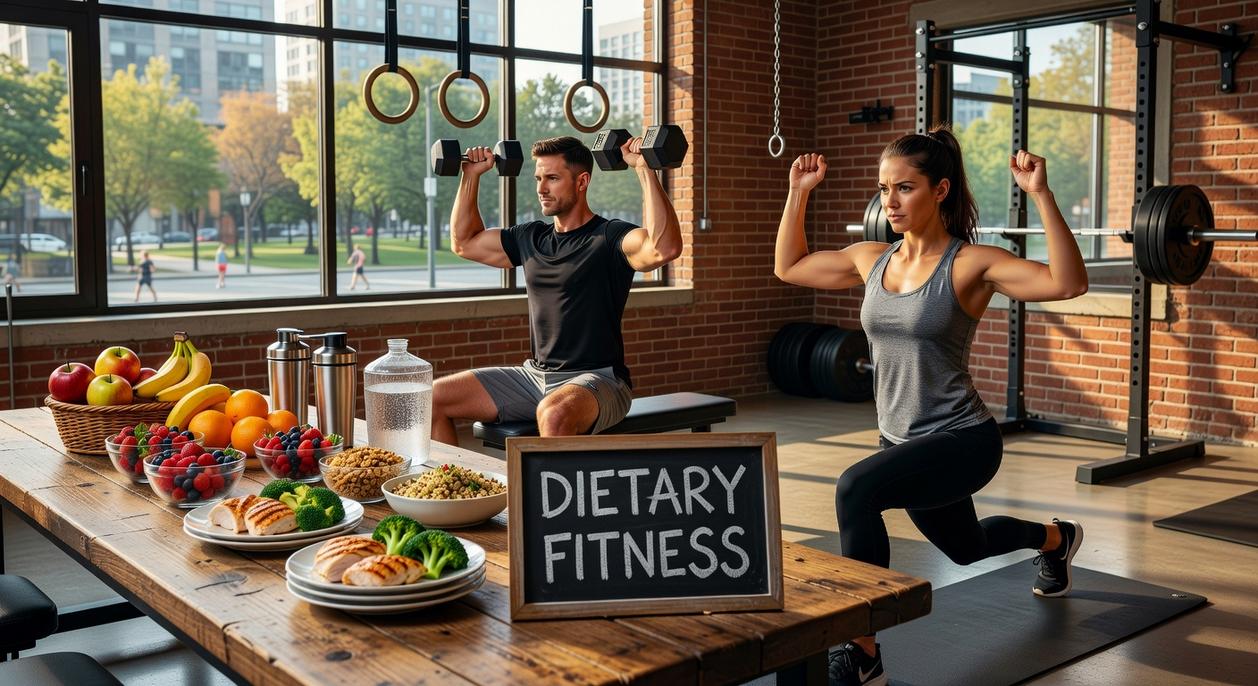
Let me walk you through what a full day looks like with this approach.
I’m going to be honest. When I first tried measuring everything in teaspoons, I thought it would feel restrictive. Turns out I was wrong.
Breakfast: Scrambled Eggs with Spinach
Start with scrambled eggs and as much spinach as you want. Add 3 tsp of shredded cheese for your fat portion and 1 tsp of ketchup for sugar. Serve it with unlimited fruit on the side.
Some people say fruit at breakfast spikes your blood sugar too much. But I’ve found that pairing it with protein keeps things balanced. Plus, you’re not going to gain weight from eating strawberries.
Lunch: Grilled Chicken Salad
Here’s where the fitness nutrition guide twspoondietary really shines.
Pile on as much grilled chicken and mixed greens as you want. The dressing is what counts. Use 3 tsp of olive oil for fat and 1 tsp of honey-mustard vinaigrette for your sugar allowance. Toss in 5 tsp of chickpeas for carbs.
I actually prefer this to those pre-made salads that claim to be healthy but pack in 600 calories of dressing.
Dinner: Salmon with Roasted Asparagus and Quinoa
Cook your salmon however you like it. Drizzle it with 3 tsp of lemon-butter sauce (that’s your fat). Add 5 tsp of cooked quinoa for carbs. Load up on roasted asparagus because vegetables don’t count against you.
This meal keeps me full for hours. No midnight fridge raids.
Snack Ideas
Greek yogurt works great here. Add 1 tsp of honey and 3 tsp of slivered almonds. You get protein from the yogurt, your sugar and fat portions are covered, and you’re done.
The method works because you’re not overthinking it. You measure what matters and eat freely where you can.
Integrating Fitness and Hydration for Maximum Results
Your workouts deserve better fuel.
I see people crushing it at the gym but completely missing the nutrition piece. They wonder why their energy crashes halfway through or why recovery takes forever.
The fix is simpler than you think.
Pre-Workout Fuel
You want that 5:1 carb-to-sugar ratio about 30 minutes before you train. This gives you a quick energy boost without the crash that comes from straight sugar.
Think a banana with a small handful of oats. Or a slice of whole grain toast with honey.
Your body burns through this fast. That’s exactly what you want when you’re about to move weight or hit cardio hard.
Post-Workout Recovery
Here’s where the unlimited protein rule in FITNESS NUTRITION TWSPOONDIETARY comes in. After you train, your muscles are screaming for repair.
Don’t skimp here.
Chicken, fish, eggs, Greek yogurt. Load up. Your body will use what it needs and you’ll recover faster than if you tried to count every gram.
Hydration as a Multiplier
Water makes everything work better. It keeps you feeling full between meals and helps your body actually USE the nutrients you’re eating.
| Timing | What to Drink | Why It Matters |
|——–|—————|—————-|
| Before workout | 16-20 oz water | Prevents early fatigue |
| During workout | 8 oz every 15 min | Maintains performance |
| After workout | 20-24 oz water | Speeds recovery |
Most people are walking around dehydrated and don’t even know it. Fix that and you’ll see better results from the same effort.
Your New Framework for Lifelong Health
You want to eat better but portion control feels like guesswork.
I get it. Counting calories and measuring every bite gets old fast. You need something simpler that actually works.
That’s where the teaspoon method comes in.
This approach uses a basic teaspoon to build your meals with precision. No apps or complicated math required.
The framework is straightforward: use the 5:3:1 ratio to balance your plate. Five teaspoons of vegetables, three of protein, one of healthy fats. It’s fitness nutrition twspoondietary at its most practical.
This isn’t about restriction. It’s about building habits that stick.
You came here looking for a clear dietary plan. Now you have one that removes the anxiety from portion control.
The method works because it focuses on nutrient density and mindful eating. You’re not following rigid rules that fall apart after a week.
Here’s what to do next: Pick one meal today and build your plate using the 5:3:1 ratio. Start small and see how it feels.
Take back control of your nutrition, one teaspoon at a time. Homepage.