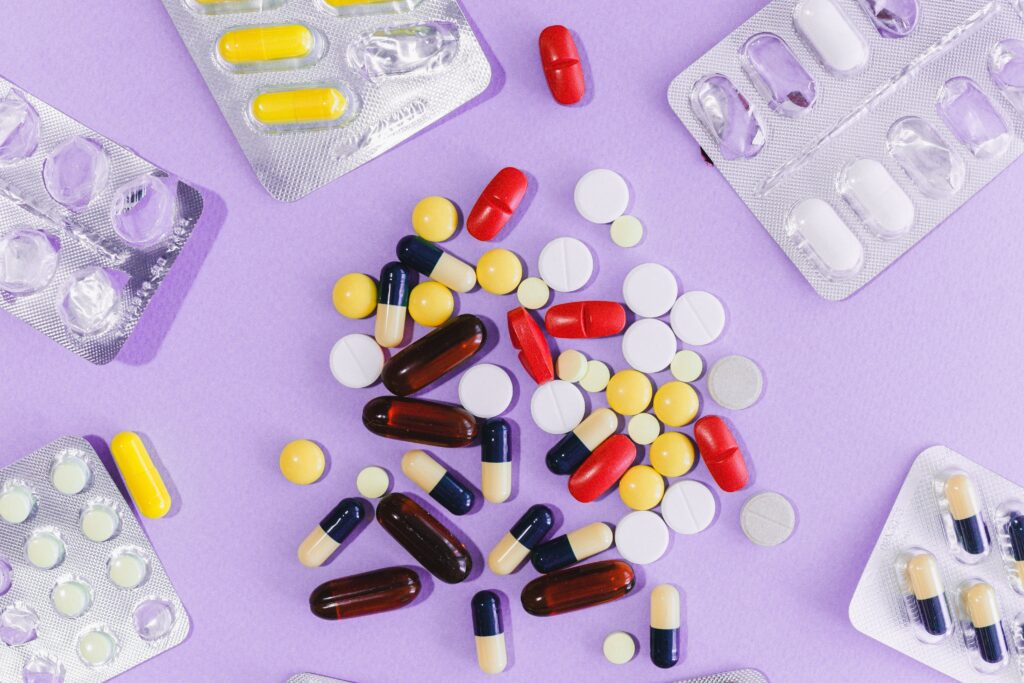

A GLP-1 prescription usually begins with a weight goal. Then something unexpected happens. The second glass of wine at dinner sits unfinished, or the Friday beer feels less worth the trip. Enough people have reported that shift to push these medications into conversations about drinking. The overlap matters, because alcohol and appetite are not separate systems. What the research supports is narrower than the headlines suggest.
Why GLP-1s keep showing up in drinking conversations
Best known for type 2 diabetes and weight management, GLP-1 medications include semaglutide, liraglutide, dulaglutide and exenatide, and some products are also approved for heart or liver conditions. None of them was designed for drinking, which is what makes the reports interesting.
For most people, the drinking effect was not why they started. A 2026 national survey drew on a representative panel of 2,009 adults, and the findings appeared in JAMA Psychiatry. Only 9.7 percent knew that GLP-1s might lower the urge to drink. Nearly 80 percent knew about the weight loss. The change was a side observation, not the reason for the prescription. Researchers are now testing what patients described.
Many people arrive at this topic through a goal on the scale, and the advice already in front of them is about food. Portions and protein are the levers a reader has already seen. Alcohol sits inside that same budget, which is why a medication that changes appetite can change drinking too.
What the trials and surveys found, and what they did not
The trials tested medication, not diet. None tested a weight plan on its own. The weight side still runs on food, and meal timing is one starting point that guidance offers.
In 2026, a Lancet study randomized 108 people who had alcohol use disorder plus obesity. Every participant also received cognitive behavioral therapy. By week 26, the share of days spent in heavy drinking had dropped 41.1 points on semaglutide and 26.4 points on placebo. The between-group difference was 13.7 points, with a confidence interval that excluded zero. Weight loss was larger on semaglutide, about 11 kg against 2 kg.
Smaller trials were mixed. A 2025 study of 48 people found less alcohol in a lab test and lower peak breath alcohol, but no clear change in average drinks per day or drinking days. A 2026 swallowed-tablet trial found no improvement on its main craving measure, though heavy drinking days improved on a secondary measure. An earlier exenatide trial found no overall benefit.
Of the 242 survey respondents who drank when they began a GLP-1, 44.2 percent said they drank less over three months. Just over half, 52.6 percent, said nothing changed. A small remainder, 3.3 percent, said they drank more. Among those screening positive for potentially unhealthy drinking, 54.1 percent said they drank less.
The survey cannot show cause. People recalled their own behavior, treatment was not random, and the results relied on self-report. Each trial is limited: one medication, one population, and no follow-up in the Lancet study. GLP-1 medications are not FDA-approved for alcohol use disorder. Any use for drinking is off-label, a clinical decision rather than a marketing claim.
Appetite, satiety and the drink you stop finishing
GLP-1 is a hormone released from the gut in response to food. It slows gastric emptying, signals fullness, and acts on brain circuits that assign value to food. The same circuits help assign value to alcohol. That overlap is the leading explanation for why a medication for weight can change drinking.
The effect is not a switch. Slower gastric emptying means a drink sits in the stomach longer, and a blunted reward signal means the second drink has less pull. That is the hypothesis the trials are testing, not a promise. Preclinical work shows GLP-1 drugs reduce alcohol intake and blunt alcohol-induced dopamine release in reward areas.
Sunnyside’s review of the evidence on GLP-1s and alcohol is a useful place to see the trial results side by side, including the null findings. Some people notice a large change, many notice none, and the reasons are not yet predictable.
The weight-goal trap: fewer drinks is not a diet plan
At 7 calories per gram, alcohol sits close to the 9 in fat and well above the 4 in protein or carbohydrate. A 12 ounce regular beer is about 150 calories. A 5 ounce glass of wine or a 1.5 ounce shot of spirits is about 100.
Those calories are easy to miss because they do not fill you up. Short-term studies find that people do not eat less to compensate. Alcohol can also loosen food choices and add eating.
Cutting back can help a weight goal. It is not a diet plan. Total energy intake and expenditure decide the result, and removing two drinks changes that total only if the rest stays the same. The Lancet trial cannot separate the drinking result from weight loss either. Weight loss and drinking changed together, and the design cannot say whether one drove the other.
Fewer drinks does not substitute for a diet plan. Protein, fiber and portions still do the work, and long-term weight loss habits carry the result past the first month.
Building habits that hold if the medication stops
The medication is not a cure, and it may not be permanent. In the STEP 1 extension, people who stopped semaglutide regained about two-thirds of the weight they had lost within a year. The alcohol data after stopping are thinner. One Swedish study found lower admission rates during treatment and for six months after, but the link was no longer clear at six to twelve months.
Habits are the part that travels, and repetition in a stable context is what makes them stick. One study found a median of 66 days for a new behavior to become automatic, with a range from 18 to 254. Tracking is associated with better weight outcomes, though the evidence is not strong enough to promise a number. If-then plans have a medium-to-large effect on goal attainment.
In practice, the work is unglamorous. Keep a record after the prescription stops. Keep the routines that replaced the drink: a different route home, a filled water glass, a standing plan for Friday.
What to ask a clinician before you start
Bring the drinking goal into the appointment, even if the prescription was for weight. Ask what the medication is for, and whether the use is approved or off-label. The difference between approved and off-label use should be explicit.
Ask whether alcohol use disorder has been assessed and what else is approved. Naltrexone, acamprosate and disulfiram are the three approved AUD medications, prescribed for only 1.6 percent of adults with past-year AUD.
Ask about the exact product and route. An FDA-approved injection is not the same as a compounded tablet, and the evidence does not transfer automatically. Then cover personal risks: thyroid cancer in the family, pancreatitis, gallbladder problems, pregnancy plans, other medications and surgery.
Finally, ask for the stopping plan. What happens to weight and drinking if the prescription ends? How will withdrawal be managed if drinking is heavy? Who should be called about side effects? Alcohol withdrawal can be dangerous and needs medical management, which a GLP-1 does not provide.
Write the answers down. None of this makes a GLP-1 a drinking treatment or a diet shortcut. It is one variable in a larger plan. The two goals share a body, a daily total and a set of habits.
 Julia D. has opinions about dietary guidelines and plans. Informed ones, backed by real experience — but opinions nonetheless, and they doesn't try to disguise them as neutral observation. They thinks a lot of what gets written about Dietary Guidelines and Plans, Meal Planning and Preparation, Fitness Routines and Workouts is either too cautious to be useful or too confident to be credible, and they's work tends to sit deliberately in the space between those two failure modes.
Reading Julia's pieces, you get the sense of someone who has thought about this stuff seriously and arrived at actual conclusions — not just collected a range of perspectives and declined to pick one. That can be uncomfortable when they lands on something you disagree with. It's also why the writing is worth engaging with. Julia isn't interested in telling people what they want to hear. They is interested in telling them what they actually thinks, with enough reasoning behind it that you can push back if you want to. That kind of intellectual honesty is rarer than it should be.
What Julia is best at is the moment when a familiar topic reveals something unexpected — when the conventional wisdom turns out to be slightly off, or when a small shift in framing changes everything. They finds those moments consistently, which is why they's work tends to generate real discussion rather than just passive agreement.