
What Meal Timing Actually Means
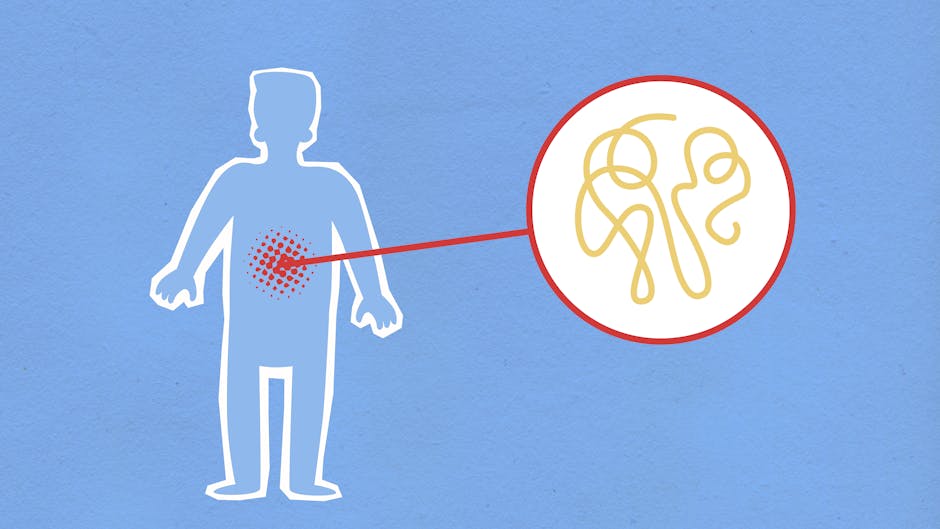
Food isn’t just fuel. It’s also a signal. When you eat sends cues to your hormones, metabolism, and energy systems. That’s why meal timing matters just as much as what’s on your plate.
Eating at random times skipping breakfast one day, late night snacking the next scrambles your body’s rhythm. It can slow down your metabolism, spike blood sugar at the wrong time, and mess with hunger and fullness signals. Over time, those small disruptions add up, making weight management an uphill battle, even with healthy food choices.
On the other hand, sticking to a regular eating schedule helps your body lock into an efficient cycle. Energy comes in when your system expects it. Hormones like insulin and ghrelin rise and fall in sync. You feel fuller faster, and you’re less likely to swing into cravings or binge mode.
There’s also a clock inside you your circadian rhythm that governs how your body processes food. Morning and early afternoon are primed for energy use. Late night meals? Not so much. Eating closer to bedtime tends to shift calories into fat storage rather than fuel use.
Bottom line: smart meal timing isn’t complicated, but it’s powerful. Whether you eat three meals a day or follow a more flexible rhythm, consistency helps your body do what it’s built to do keep you energetic, nourished, and on track.
Morning vs. Evening Calories
Old rule: calories were just calories. New rule: when you eat those calories might matter almost as much as what’s on the plate. Front loading your meals taking in more energy earlier in the day can give your metabolism a noticeable edge. Your body is naturally more insulin sensitive in the morning, which means it handles carbs and sugars more efficiently. Translation: your breakfast muffin is less likely to get stored as fat than that same muffin eaten at 10 p.m.
Late night eating, on the other hand, can throw a wrench in your fat burning gears. As the evening sets in, metabolism slows, and hormone shifts make fat storage more likely. Add in poor food choices and a tired brain (hello, chips and cookies), and the weight creeps up fast.
What does smarter eating look like in the real world? Think of energy distribution like pacing a long hike: heavy breakfast, solid lunch, lighter dinner. Prioritize proteins and complex carbs early in the day to stay full and energized. Keep evening meals lean and clean. Stick to a rhythm that gives your body fuel when it needs it most daylight hours. It’s not a magic fix, but it’s a reliable lever for anyone trying to manage weight with less guesswork.
Understanding Your Body Clock

Your body runs on a built in 24 hour cycle called the circadian rhythm. It governs just about everything sleep, hormone release, body temperature, and yes, digestion. When you eat out of sync with this internal clock, your metabolic efficiency takes a hit.
In the morning, your body is primed for fuel. Insulin sensitivity is at its peak, meaning your cells are better at absorbing nutrients without converting them into fat. This makes earlier hours the best time to eat carbs think oats, fruit, or toast. It’s also when the digestive system is at full throttle, so heavier meals are more easily processed.
As the day winds down, insulin sensitivity drops, and your body shifts toward preservation mode. That’s why eating large, carb heavy meals late at night often leads to fat storage instead of energy use. Evening meals should focus more on light proteins and fats grilled chicken, eggs, avocado to support muscle repair without spiking blood sugar.
The idea isn’t to overthink every bite but to eat in a way that works with your biology, not against it. Time your meals to match where your energy and metabolism naturally peak and you’ll start seeing better results without eating less.
Intermittent Fasting: Fad or Effective?
Intermittent fasting (IF) has exploded in popularity as a way to manage weight, simplify meals, and even improve metabolic health. But does it live up to the hype? Let’s look at what it really involves and who it benefits most.
Popular IF Schedules
Intermittent fasting isn’t one size fits all. There are several eating windows people commonly experiment with:
16:8 Fast for 16 hours; eat all meals within an 8 hour window (e.g., 12 PM 8 PM)
14:10 A slightly more flexible version, with a 10 hour eating window (e.g., 10 AM 8 PM)
5:2 Eat normally for five days; significantly restrict calories on two non consecutive days
Alternate Day Fasting Rotate days of regular eating with days of fasting or severe calorie reduction
Each structure has its pros and cons, and your ideal schedule depends on lifestyle, energy demands, and personal preference.
What Research Actually Says
While more studies are still emerging, current research suggests a few key takeaways:
IF may help reduce body fat and improve insulin sensitivity in some individuals particularly when paired with a calorie controlled diet.
Fasting windows can help regulate appetite hormones, leading to fewer cravings over time.
Metabolic improvements (like reduced blood sugar or cholesterol) may occur even without significant weight loss.
Time restricted eating that aligns with natural circadian rhythms (like earlier eating windows) often yields better results than late night fasting windows.
Who Should and Shouldn’t Try IF
Intermittent fasting isn’t for everyone. Depending on your health status, goals, and relationship with food, IF might be helpful or counterproductive.
It may work well for:
People looking for structure or simplicity without tracking every calorie
Those who naturally don’t feel hungry in the morning and prefer larger afternoon/evening meals
Individuals with insulin resistance, under a healthcare provider’s guidance
It may not help (or could even harm):
Those prone to disordered eating or restrictive patterns
Highly active individuals with high calorie needs
Pregnant or breastfeeding people
Anyone with medical conditions requiring consistent food intake
Ultimately, IF can be a useful tool but it’s not a magic bullet. Your overall energy balance, meal quality, and consistency matter most.
Building a Meal Timing Strategy That Works
Your daily rhythm matters just as much as your calorie count. To make meal timing work for weight loss or maintenance, start by aligning your eating windows with the parts of your day when your body needs fuel the most around your workouts, during work hours, and before sleep.
Workout in the morning? Get some carbs and protein in within an hour after. Training at night? Eat a late afternoon meal and follow it with a light recovery bite like Greek yogurt or a protein shake within your post workout window. If your job keeps you busy midday, prep an energy dense lunch you can actually sit down and eat something simple enough that you won’t skip it.
Here’s a sample structure:
Breakfast: 7:30 a.m. light but high in protein (e.g., eggs and oatmeal)
Mid morning snack: 10:00 a.m. nuts or fruit
Lunch: 12:30 p.m. protein + complex carbs + veggies
Pre workout snack: 4:00 p.m.
Dinner (post workout): 6:30 p.m. balanced meal, not too heavy
Optional recovery bite: around 8:00 p.m., if you trained hard
Traps to avoid: skipping meals (which leads to overeating later), and nightly grazing in front of a screen. That last snack you think you’ve “earned” may quietly add 300+ unneeded calories.
Need a template meal that fits well into a fitness focused day? Try this healthy fitness recipe to get your timing and nutrition on point.
Final Notes on Consistency Over Perfection
Forget crash plans and hard rules. What actually moves the needle for long term weight goals isn’t perfection it’s consistency. That means building a routine you can repeat without burnout. Eating at regular times, fueling smart before and after workouts, sleeping enough, and not overcorrecting after a heavy meal. It’s not about discipline in the extreme; it’s about rhythm.
Start simple. Don’t try to reinvent your entire eating schedule overnight. Pick a start time and stop time for meals that works with your life. Stick to that window most days. Plan meals around training or high energy moments. Skip the guesswork and build patterns that feel natural.
If you need a starting block, try this healthy fitness recipe. It’s designed to fuel you without the crash, and matches well with most timing focused plans. No tricks just solid fuel, well timed.
 Roberton Nielsoneth is the kind of writer who genuinely cannot publish something without checking it twice. Maybe three times. They came to dietary guidelines and plans through years of hands-on work rather than theory, which means the things they writes about — Dietary Guidelines and Plans, Weight Management Strategies, Fitness Routines and Workouts, among other areas — are things they has actually tested, questioned, and revised opinions on more than once.
That shows in the work. Roberton's pieces tend to go a level deeper than most. Not in a way that becomes unreadable, but in a way that makes you realize you'd been missing something important. They has a habit of finding the detail that everybody else glosses over and making it the center of the story — which sounds simple, but takes a rare combination of curiosity and patience to pull off consistently. The writing never feels rushed. It feels like someone who sat with the subject long enough to actually understand it.
Outside of specific topics, what Roberton cares about most is whether the reader walks away with something useful. Not impressed. Not entertained. Useful. That's a harder bar to clear than it sounds, and they clears it more often than not — which is why readers tend to remember Roberton's articles long after they've forgotten the headline.
Roberton Nielsoneth is the kind of writer who genuinely cannot publish something without checking it twice. Maybe three times. They came to dietary guidelines and plans through years of hands-on work rather than theory, which means the things they writes about — Dietary Guidelines and Plans, Weight Management Strategies, Fitness Routines and Workouts, among other areas — are things they has actually tested, questioned, and revised opinions on more than once.
That shows in the work. Roberton's pieces tend to go a level deeper than most. Not in a way that becomes unreadable, but in a way that makes you realize you'd been missing something important. They has a habit of finding the detail that everybody else glosses over and making it the center of the story — which sounds simple, but takes a rare combination of curiosity and patience to pull off consistently. The writing never feels rushed. It feels like someone who sat with the subject long enough to actually understand it.
Outside of specific topics, what Roberton cares about most is whether the reader walks away with something useful. Not impressed. Not entertained. Useful. That's a harder bar to clear than it sounds, and they clears it more often than not — which is why readers tend to remember Roberton's articles long after they've forgotten the headline.