Get Clear on Your Game Plan
Start by deciding what you’re actually going to eat. Map out a basic plan for breakfast, lunch, dinner, and snacks nothing too fancy, just meals you’ll want to eat and can realistically make. You don’t need 21 different recipes for the week. A little structure keeps you from making random, last minute grocery runs (or hitting the drive thru at 7 p.m.).
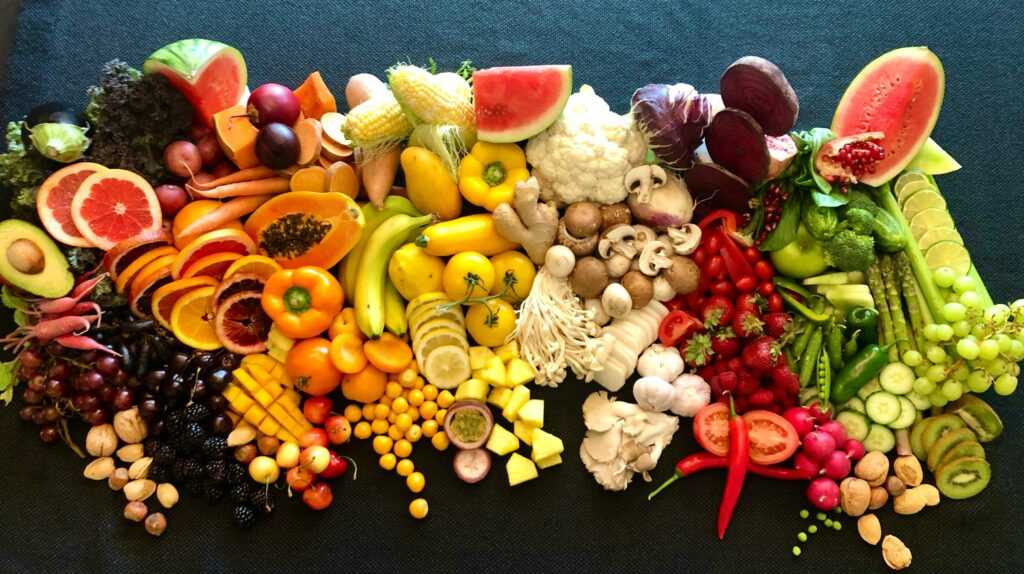
Pick two or three go to proteins think chicken thighs, canned tuna, tofu. Then grab a couple of grains like brown rice or quinoa. Add four or five versatile veggies you can rotate through meals (broccoli, sweet potatoes, spinach, bell peppers, maybe a red onion). It’s not about variety for the sake of it; it’s about function and flavor.
Which brings us to this: healthy isn’t code for bland. Pack in flavor with good sauces, fresh herbs, and basic seasoning. Boredom kills meal prep faster than anything. So, mix it up wisely.
And here’s a solid hack plan meals that use the same ingredients in different ways. Roast extra veggies on Sunday for grain bowls and wraps. Use one protein across multiple meals. Less waste, less time, and you’ll actually use what you buy.
Build a Smart Grocery List
Wandering the store aimlessly wastes time and racks up extra items you don’t need. A smart list keeps you focused and saves money. Start by sorting it into four basic categories: produce, proteins, pantry, and fridge. That way, you move through the store in one pass instead of zig zagging like you’re on a scavenger hunt.
Check your kitchen before you write anything down. There’s no point buying another jar of peanut butter if you’ve already got two. Take five minutes to scan your fridge and pantry half your list might already be covered.
If you want to make the process even cleaner, there are grocery list apps that automatically group items. Apps like AnyList or Mealime can sync with your meal plan and your schedule. Less time thinking, more time getting stuff done.
The goal: one efficient trip, zero wasted effort.
Shop the Perimeter, Mostly

Here’s the basic layout you need to know: the outer aisles of the grocery store hold the good stuff fresh produce, lean meats, eggs, and dairy. That’s where your healthiest options live, and where you should spend most of your time. It’s less about avoiding the inner aisles altogether and more about knowing what you’re going in for.
The inner aisles are where you’ll find dry staples like rice, oats, canned beans, spices, and whole grains. These are essentials just don’t let them distract you. Stick to your list. That’s how you avoid piling your cart with chips, cookies, or random freezer desserts you didn’t actually plan for.
Marketing tricks are everywhere. Just because something says “organic,” “keto,” or “heart healthy” doesn’t mean it’s a smart buy. Flip the box over and read the ingredients. If it reads like a science experiment, skip it. Keep it simple, and trust your plan over the packaging.
Batch Cooking Helps Everything
Spend two hours, eat well all week. That’s the idea behind batch cooking, and it works. One grocery trip sets you up then you roast a tray of vegetables, toss some chicken in a skillet (or tofu, if that’s your thing), and boil a pot of quinoa or rice. It doesn’t need to be fancy, just functional.
Once your staples are cooked, portion them out. Use containers or freezer bags. Label the days if that helps. The key is making meals grab and go, so there’s no scrambling midweek, no excuse to order out. You come home tired, food’s already done. That’s a win.
Want a deeper breakdown? Check out Batch Cooking 101: Save Time and Eat Better.
Mistakes That Cost You (Money and Nutrition)
Let’s be honest most grocery mistakes are made in the name of a “deal” or health shortcut. First up: don’t fall for the sale trap. Grabbing five bags of spinach because they’re 2 for 1 sounds like savings, until you’re tossing half of it out slimy and wilted. If you can’t realistically eat it before it dies, it’s not a deal.
Next, beware shiny labels. Terms like “low fat,” “keto,” or “natural” don’t really mean much without context. Read the ingredient list. Check the sugar and sodium. A snack bar labeled healthy might be just candy with better PR.
And don’t walk out without the basics. Oils, spices, and dressings are the foundation of flavor. Skip those, and your well planned meals risk tasting like cardboard. Build your pantry like it matters because it does.
Shop smart, not just cheap.
Stick With It
The first few times feel clunky. Lists get long, items get forgotten, and meals feel repetitive. But once you’ve done it a few times, grocery shopping becomes second nature. You’ll know where to start, what you always need, and how much is too much.
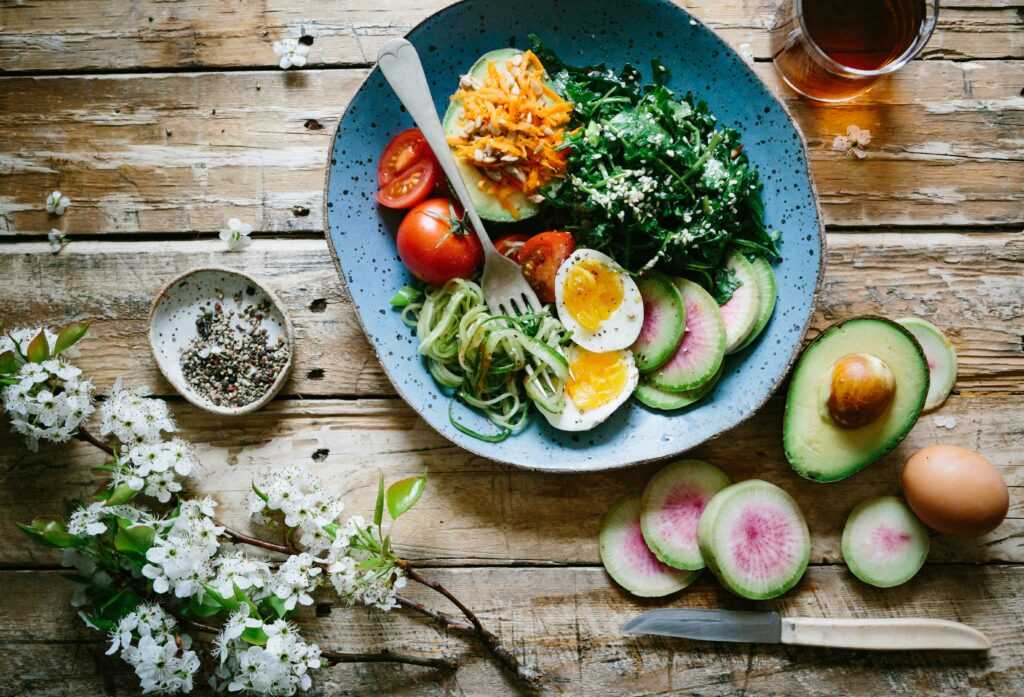
To keep things interesting, rotate your meal themes. A week of grain bowls with avocado and black beans. Another week leaning Mediterranean with hummus, lemon chicken, and roasted veggies. Theme weeks break the routine without breaking your system.
More than anything, healthy eating is about being ready. It’s not about cutting everything enjoyable or eating the same salad every day. It’s about prepping ingredients that make good choices easy in the moment.
Keep it simple. Shop once, eat well for seven full days.
 Roberton Nielsoneth is the kind of writer who genuinely cannot publish something without checking it twice. Maybe three times. They came to dietary guidelines and plans through years of hands-on work rather than theory, which means the things they writes about — Dietary Guidelines and Plans, Weight Management Strategies, Fitness Routines and Workouts, among other areas — are things they has actually tested, questioned, and revised opinions on more than once.
That shows in the work. Roberton's pieces tend to go a level deeper than most. Not in a way that becomes unreadable, but in a way that makes you realize you'd been missing something important. They has a habit of finding the detail that everybody else glosses over and making it the center of the story — which sounds simple, but takes a rare combination of curiosity and patience to pull off consistently. The writing never feels rushed. It feels like someone who sat with the subject long enough to actually understand it.
Outside of specific topics, what Roberton cares about most is whether the reader walks away with something useful. Not impressed. Not entertained. Useful. That's a harder bar to clear than it sounds, and they clears it more often than not — which is why readers tend to remember Roberton's articles long after they've forgotten the headline.
Roberton Nielsoneth is the kind of writer who genuinely cannot publish something without checking it twice. Maybe three times. They came to dietary guidelines and plans through years of hands-on work rather than theory, which means the things they writes about — Dietary Guidelines and Plans, Weight Management Strategies, Fitness Routines and Workouts, among other areas — are things they has actually tested, questioned, and revised opinions on more than once.
That shows in the work. Roberton's pieces tend to go a level deeper than most. Not in a way that becomes unreadable, but in a way that makes you realize you'd been missing something important. They has a habit of finding the detail that everybody else glosses over and making it the center of the story — which sounds simple, but takes a rare combination of curiosity and patience to pull off consistently. The writing never feels rushed. It feels like someone who sat with the subject long enough to actually understand it.
Outside of specific topics, what Roberton cares about most is whether the reader walks away with something useful. Not impressed. Not entertained. Useful. That's a harder bar to clear than it sounds, and they clears it more often than not — which is why readers tend to remember Roberton's articles long after they've forgotten the headline.