What Plant Based Eating Actually Means
Before diving in, let’s get the terms straight. “Plant based” isn’t the same as “vegan” or “vegetarian.” It’s more of a sliding scale than a label. Plant based eating prioritizes foods that come from plants vegetables, fruits, grains, nuts, seeds, and legumes but it doesn’t always mean cutting out meat or dairy completely. You might still have the occasional eggs or cheese, maybe even fish. Vegan diets cut out anything animal derived, full stop. Vegetarians skip meat but may include dairy and eggs. Plant based eaters carve their own path, with more built in flexibility.
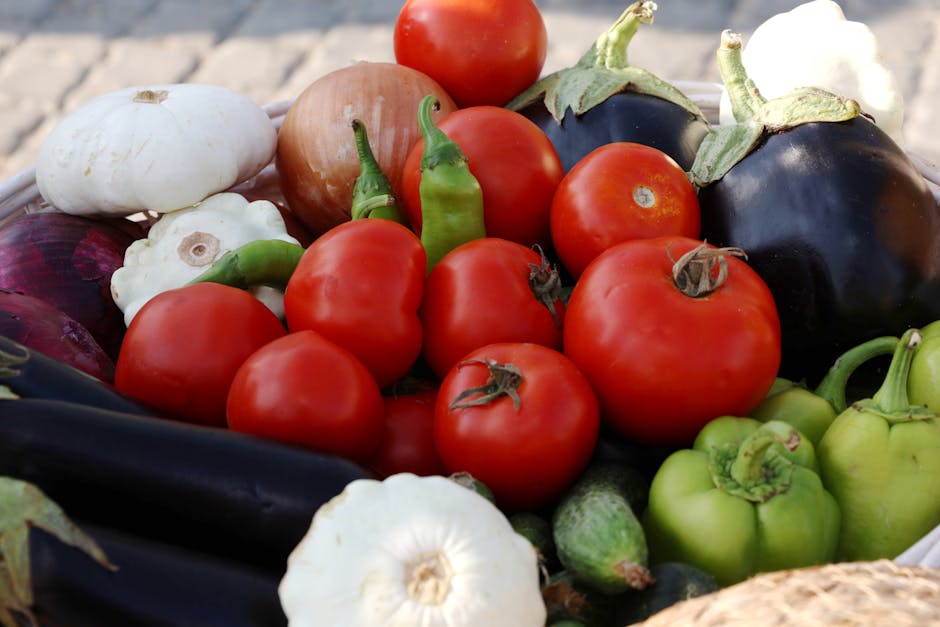
Then there’s the question of what kind of plant based food we’re talking about. Just because something is labeled ‘plant based’ doesn’t mean it’s healthy. A vegan donut is still a donut. The core of a solid plant based lifestyle is whole foods minimally processed, nutrient dense, and as close to their natural state as possible. That’s what fuels the energy and long term wellness people are often after.
And here’s the key: perfection isn’t the goal. Adaptability is. It’s easier to stick with something that’s flexible and fits into real life busy schedules, family preferences, travel, and all. Going 90% whole food, plant based is still a win. Even making one plant centered meal per day can shift your trajectory. The point is momentum, not dogma.
Why 2026 is the Perfect Year to Start
Plant based eating isn’t just some niche trend anymore. It’s gone global. In 2026, you don’t have to live near a health food store in a big city to get your hands on oat milk or jackfruit tacos. Grocery shelves are stacked with options. Fast food joints offer plant based meals that actually taste like food, and full plant first menus are becoming standard, not special.
Science is backing up the shift, too. We’ve got more data than ever linking plant centric diets to lower risks of heart disease, type 2 diabetes, and certain cancers. We’re talking longer life, clearer skin, better energy not bad side effects from choosing lentils over lunch meat.
Then there’s the bigger picture. Environmental concerns are turning personal. Factory farming’s footprint is no longer something we can file under “someone else’s problem.” People want food choices that reflect their values, and that’s putting plant based living in the spotlight. Ethical concerns around animal treatment only make the movement stronger.
Bottom line: the world is more ready and more equipped than it ever has been to support your transition. All signs point to now being a pretty great time to start.
Key Nutrients to Watch
Transitioning to a plant based diet doesn’t mean sacrificing essential nutrients. While plants provide a wide array of vitamins and minerals, being intentional about nutrient intake is key to thriving long term. Here’s a breakdown of the nutrients beginners should pay close attention to:
Beyond Tofu: Powerful Plant Based Protein Sources
You don’t have to rely on tofu alone to meet your protein needs. A well rounded plant based diet includes a variety of protein rich foods that can easily be incorporated across meals:
Legumes: Lentils, chickpeas, black beans, and split peas are all excellent protein sources.
Whole grains: Quinoa, farro, buckwheat, and oats contain both protein and fiber.
Nuts and seeds: Almonds, peanuts, chia seeds, hemp seeds, and sunflower seeds offer protein with healthy fats.
Plant based protein boosts: Tempeh, edamame, nutritional yeast, and protein powders (made from pea, rice, or hemp) can round out your intake.
Tip: Aim to combine protein sources throughout the day for a full amino acid profile, rather than stressing over “complete proteins” in each meal.
Critical Minerals: Calcium, Iron, and Omega 3 Fatty Acids
Plant based eaters often ask, “Can I really get enough calcium or iron without dairy or meat?” The answer is yes with the right food choices and preparation techniques.
Calcium: Look to fortified plant milks, tahini, almonds, kale, bok choy, and tofu set with calcium sulfate.
Iron: Lentils, chickpeas, tofu, spinach, and pumpkin seeds are iron rich. Pair these with vitamin C sources (like bell peppers or citrus) to improve absorption.
Omega 3s: Get your essential fatty acids (ALA) from ground flaxseed, chia seeds, hemp seeds, and walnuts. Consider an algae based supplement for DHA and EPA support if needed.
Spotlight on Supplements: B12 and D
Even the best plant based diets need a little help in specific areas. Two critical nutrients require special attention:
Vitamin B12: This nutrient is not reliably found in plant foods. Supplementation is strongly recommended either through fortified foods (like plant milks or nutritional yeast) or a weekly/daily B12 supplement.
Vitamin D: Depending on your sun exposure and location, your body may not produce enough vitamin D. A D2 or vegan D3 supplement can help maintain optimal levels, especially in winter months.
Bottom line: With a bit of planning, plant based eaters can meet all their nutrient needs and thrive doing it.
Sample Effective Day on a Plate
You don’t need to overthink your meals to eat well on a plant based plan. Keep it simple. Keep it satisfying.
Quick Breakfast Ideas
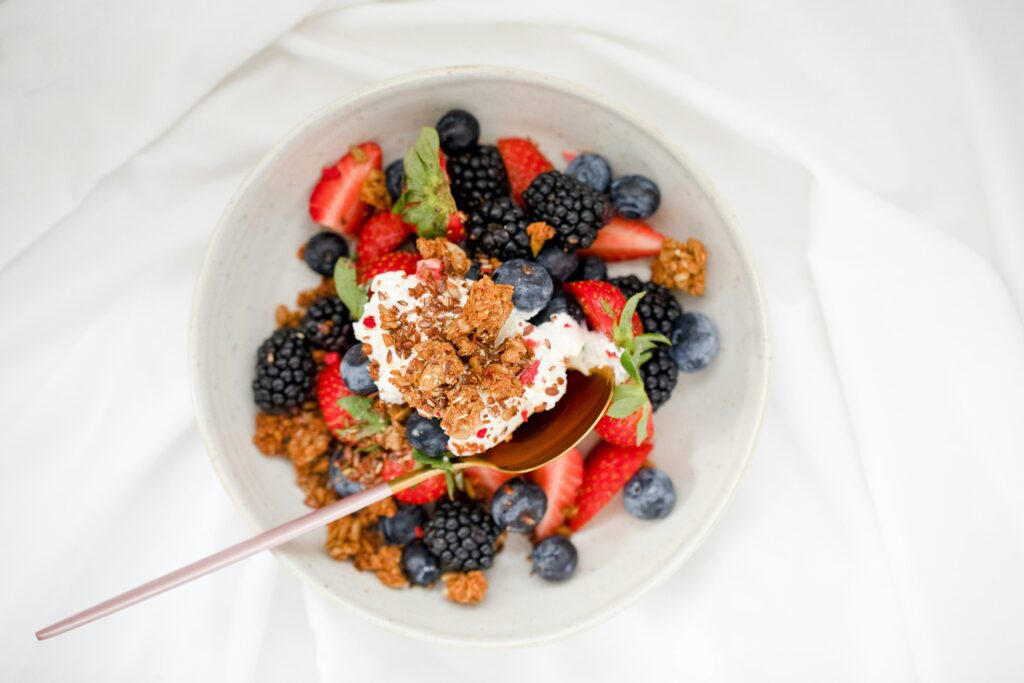
Mornings set the pace, so start light but loaded. A smoothie bowl with frozen berries, a banana, spinach, almond milk, and a scoop of plant protein is fast and punchy. Add chia seeds or nut butter on top for staying power. Not into blenders before 8 a.m.? Chia pudding works overnight mix chia seeds, plant milk, maple syrup, and cinnamon. Let rest in the fridge. Top with fruit and granola and go.
Lunch + Dinner
Hearty matters. For lunch, try a grain bowl built on quinoa or farro, add roasted veggies (whatever’s in season), chickpeas or edamame, and a tahini or peanut dressing. Think texture and balance crunch, cream, warmth. Dinner doesn’t need drama. A lentil stew, coconut curry, or black bean tacos with slaw get the job done. Keep it balanced: a protein source, whole carb, healthy fat, and greens.
Smart Snacks
Snacks shouldn’t sabotage. A handful of trail mix, hummus with carrots, or rice cakes with almond butter can handle cravings without derailing your energy. Make it intentional: pair carbs with fat or protein to keep blood sugar stable. Even a couple of Medjool dates stuffed with peanut butter hit the sweet spot.
A successful plant based day doesn’t look fancy it looks doable. Build your plate around real ingredients, toss in variety, and eat with purpose.
Staying Hydrated for Optimal Plant Based Health
Fiber is a cornerstone of plant based eating. It keeps digestion on track, stabilizes blood sugar, and feeds your gut microbiome. But fiber doesn’t work alone it pulls water into your system to stay effective. Load up on fiber without enough hydration, and you’re inviting bloat, constipation, and sluggish digestion to the table.
That’s why upping your water game matters when you increase your plant intake. As your meals get greener and denser with whole grains and legumes, your hydration needs climb too. Aim for water throughout the day, not just when you’re thirsty. Keep a glass nearby during meals, grab herbal teas, and reach for water rich foods like cucumbers, oranges, and berries.
Coconut water, mineral water, and brothy soups can also support hydration without relying only on plain water. And if your routine includes morning coffee or afternoon green tea, that still counts just balance it out with extra fluids, since caffeine can tip you slightly toward dehydration.
Hydration isn’t optional it’s fuel for everything fiber is trying to help you do. For more insight on how water quietly powers a smart diet, check out Hydration and Health: How Water Impacts Your Diet.
Common Pitfalls (and How to Dodge Them)
The plant based aisle at the grocery store has grown fast, and with it comes a trap: ultra processed plant based products dressed up as health food. Burgers, nuggets, cheeses they’re convenient, sure, but eat them like staples and you miss the point of plant based nutrition. These products are fine in moderation, but they shouldn’t crowd out whole food basics like beans, grains, and produce. Stick with what grows, not what’s manufactured.
Another misstep? Skipping the planning stage when it comes to protein. While the myth that plants “don’t have enough protein” is tired, it’s still up to you to balance sources across meals. Think lentils + brown rice. Quinoa + black beans. A handful of nuts with your oats. It’s not hard, but it does take intention.
Lastly, let’s be real: if you can’t cook it, you probably won’t stick with it. Batch cooking is the unsung hero here. Put in two hours on a Sunday and you’ll coast through the week. Cook bulk grains, roast trays of vegetables, prep sauces. Set yourself up to win, because motivation doesn’t hit every night at 7 PM.
Master these basics, and the rest gets a whole lot easier.
Real Life Tips to Stick With It
Switching to a plant based lifestyle doesn’t need to drain your wallet or your willpower. But strategy matters.
Start with budgeting. Whole foods like beans, lentils, rice, oats, and frozen veggies are some of the most affordable items in any grocery store. Skip the trendy faux alternatives for now they cost more and often deliver less nutritionally. Buy in bulk when possible, and keep a short list of go to staples that stretch across meals.
Eating out? Set clear expectations with yourself. Scan the menu ahead of time or call the restaurant most places can tweak a veggie dish or offer something off menu. The key is aiming for balance, not perfection. If you eat mostly whole foods all week, sharing fries with friends won’t undo your progress.
Long term success often comes down to support. Whether that’s an online community, a text thread with like minded friends, or just having a partner who’s down to try your chickpea curry it matters. Surround yourself with people and spaces that normalize your choices.
And don’t ignore the tech. Use apps like Cronometer or Daily Dozen to track nutrients without obsessing. Pinterest is great for batch cooking inspiration, and grocery apps like Instacart can save time and impulse purchases. Keep the tools simple. Use what works. Let the rest go.
Consistency beats intensity here. Simple habits, repeated over time, win.
Final Perspective
Going plant based doesn’t require a label or a lifetime commitment. It’s about choosing better, not perfect. A swap here. A tweak there. Whole grains over refined. Lentils instead of lunch meat. You don’t need to go all in overnight most people who stick with it don’t.
The real key? Pay attention. To how you feel after meals. To what your energy is like. To what’s missing and what feels easier. This kind of awareness matters more than hard rules. No two bodies are built the same, and no single diet works for everyone.
In the long run, it’s the small, consistent shifts that add up. Less strain on your body. Lower impact on the planet. A daily plate that supports both your health and your values. Going plant based is less about a finish line and more about direction. One smart choice at a time.