Why the Mediterranean Diet Still Holds Up in 2026
The Mediterranean Diet continues to lead in health rankings and for good reason. Unlike short lived trends, it’s a time tested, research backed way of eating that aligns health benefits with everyday life.
Endorsed by Experts Year After Year
For the fifth consecutive year, global health organizations and nutrition experts have named the Mediterranean Diet the most balanced, sustainable eating style available.
Ranked the #1 overall diet five years in a row
Praised for being realistic, non restrictive, and culturally inclusive
Built on Science, Not Hype
This isn’t a gimmick it’s supported by decades of credible research linking the diet to major health benefits:
Heart health: Consistently associated with lower LDL (bad) cholesterol and reduced inflammation
Longevity: Shown to decrease the risk of early death from preventable diseases
Chronic disease prevention: Helps manage conditions like type 2 diabetes, hypertension, and obesity
Real Food Not Restrictive Rules
Rather than demonizing individual nutrients or promoting restrictive phases, the Mediterranean lifestyle focuses on consistently nourishing the body.
Encourages whole, fresh foods over packaged or ultra processed options
Flexible and enjoyable meals revolve around shared culture, seasonal produce, and satisfying flavors
This is what makes the diet sustainable: it’s not a crash diet, but a foundation for long term wellness.
Core Benefits You’ll Actually Feel
The Mediterranean diet isn’t just easy to follow it delivers real world benefits you can feel day to day. Unlike restrictive trends, this approach supports health at every level, from your heart to your gut.
Cardiovascular Health
Reduced LDL cholesterol helps protect arteries and lower the risk of heart disease
Anti inflammatory foods fight oxidation and support overall vascular function
Easier Weight Management
Meals are built around whole, nutrient dense ingredients that make you feel full
You naturally reduce calorie intake without tracking or restriction
Cognitive & Brain Function
Strong association with lower risk of cognitive decline and Alzheimer’s disease
Rich in omega 3s, antioxidants, and healthy fats that nourish the brain
Gut Health Boosts
High fiber foods like legumes, vegetables, and whole grains feed good gut bacteria
Less processed food means better digestion and less bloating
Sustainable Fat Loss
Encourages satiety, not deprivation
Helps you build habits that prevent weight regain
For a deeper comparison to other popular eating styles, check out: Low Carb vs. Low Fat Diets: Which Is Better for You?
What You’ll Eat More Of
The Mediterranean diet doesn’t ask you to count every calorie it asks you to clean up what’s on the plate. At the foundation: extra virgin olive oil. This isn’t just a swap for butter or seed oils. It’s a shift in how you think about fat using oil for flavor, texture, and heart health, not just heat. Use it generously but wisely.
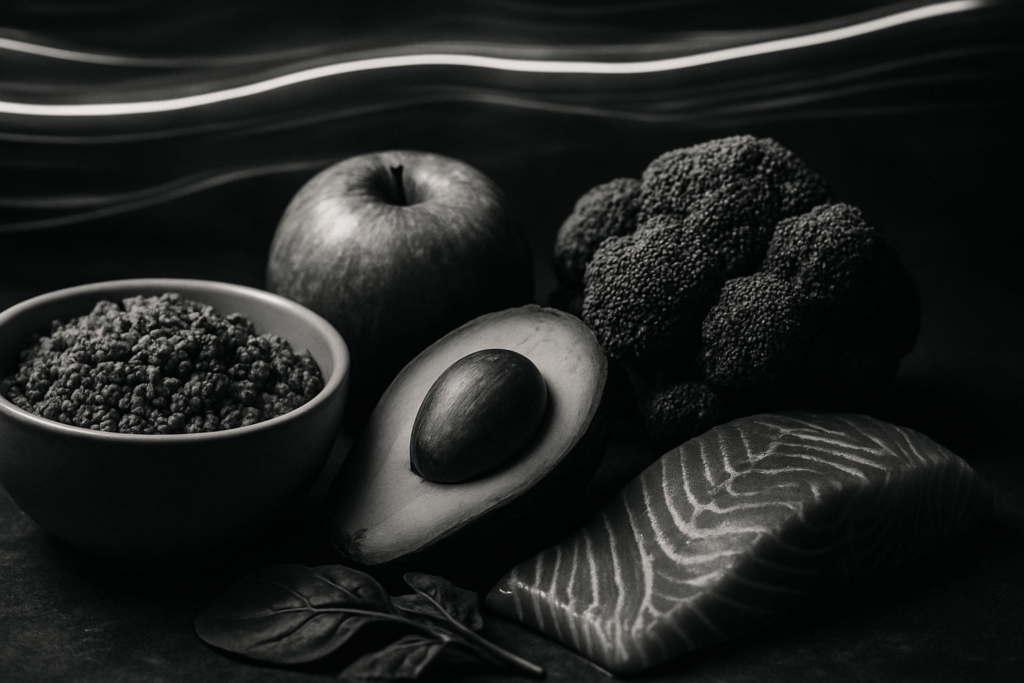
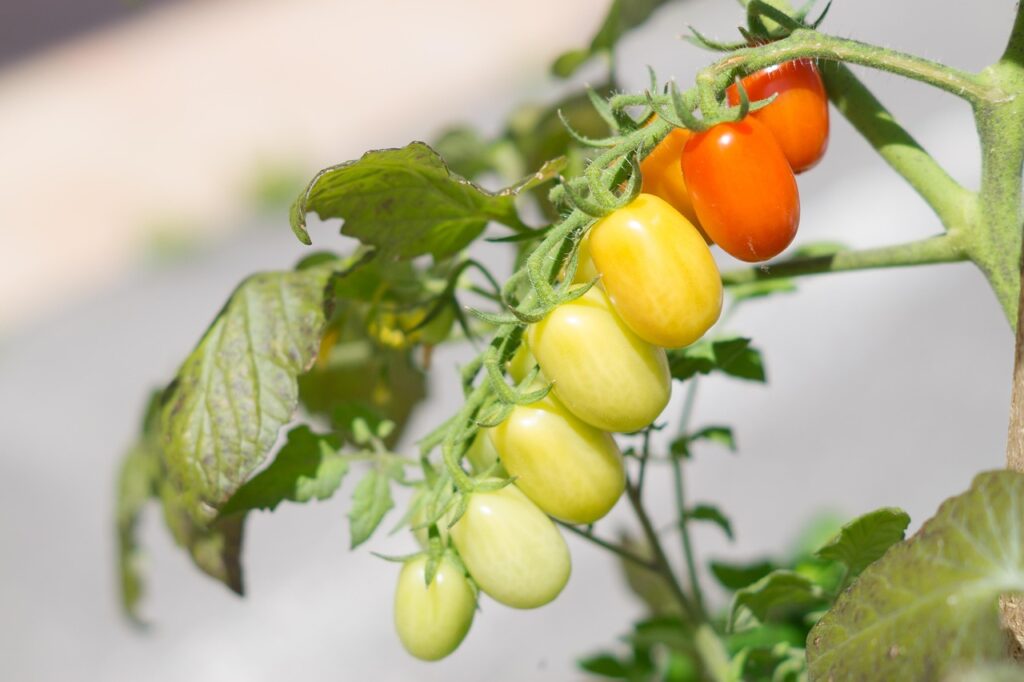
Every day, load up on leafy greens, raw vegetables, and legumes. Think spinach, lentils, chickpeas, arugula, and tomatoes that actually taste like tomatoes. These aren’t decorative add ons they’re center stage. Build your meals around them.
Whole grains come next. Farro, brown rice, quinoa these aren’t exotic anymore. They’re pantry staples that deliver fiber, steady energy, and a break from processed carbs.
Wild, fatty fish like salmon and sardines need to be on your plate at least twice a week. Not fried. Not hidden in sauces. Just grilled, roasted, or pan seared simple and nutrient rich.
Red wine? Sure, but in moderation, and only if it works for you. Think one glass, savored not five poured on autopilot.
And fruit? That’s your snack. Not candy. Not dessert. Sweet the way nature intended just with fiber and nutrients.
This isn’t about chasing flavorless health food or strict rules. It’s about building a plate that’s grounded, nourishing, and rooted in what actually fuels your body well.
What You’ll Leave Behind (Mostly)

The Mediterranean diet isn’t about deprivation it’s about knowing what no longer serves your health. First up: refined sugar and processed snacks. That means packaged muffins, sugary breakfast cereals, soda, and anything with more than three ingredients you can’t pronounce. They spike your blood sugar, crash your energy, and do nothing for your long term game.
Heavy red meat takes a backseat too. Think less steak, more grilled fish or legumes. It’s not that red meat is evil, but hammering it daily puts your heart under strain. Lean protein from plants or seafood will have your back for the long run.
Next, industrial seed oils stuff like soybean, corn, or canola oils often hide in fried foods, salad dressings, and shelf stable meals. Swap these out for extra virgin olive oil whenever you can. It’s a simple shift, but it adds up fast.
And finally, it’s time to cool it on the ready made or fast food meals. Sure, the convenience is tempting. But these options stack up with sodium, fillers, and fats you don’t need. Cooking at home even a few nights a week can tilt the balance in your favor. The Mediterranean approach doesn’t demand you scrap everything but these swaps are your turning point.
Getting Started Without Overhauling Everything
You don’t need to flip your entire pantry overnight. Big change sticks better when it starts small. First move ditch the vegetable or canola oil and start cooking with extra virgin olive oil. It’s the backbone of the Mediterranean approach, and solid for both flavor and health.
Next, build a habit around simple greens. Add a small side salad to just one meal a day. Nothing fancy mixed greens, a drizzle of olive oil, maybe a squeeze of lemon. It’s about building a default, not winning points for presentation.
From there, cut back on red meat gradually. Try replacing one meat focused dinner per week with something like grilled fish, quinoa, and some roasted vegetables. If you’re not ready to become a seafood guru, start with salmon it’s forgiving and easy to season.
When you shop, avoid letting your cart drift into packaged food territory. Stick mostly to the perimeter of the grocery store produce, fish, dairy, and grains. That’s where real food lives. The middle aisles, with their colorful boxes and shiny promises, are usually where the diet derails.
Make these swaps consistently, and the bigger picture starts to take shape. No detox teas, no crash planning just steady moves in the right direction.
Is It Right For You?
The Mediterranean diet isn’t one size fits all, but it comes close. Its foundation whole, minimally processed foods makes it easy to tailor. Vegetarian? Swap fish for legumes. Gluten sensitive? Grains like quinoa and brown rice have you covered. It’s more of a flexible framework than a rigid rulebook.
That said, if your goal is fast fat loss through strict calorie cuts or intense restriction, this probably isn’t your move. The Mediterranean approach takes time and consistency. It fuels your body well but doesn’t promise overnight transformations.
Where it delivers best is as part of a bigger picture. Pair it with regular movement, solid sleep, and less screen time, and you’re setting yourself up for more than just weight balance. It becomes a lifestyle shift that supports energy, mood, and long range health without burning you out.
Make It Stick in Real Life
Starting the Mediterranean diet is simple but sticking with it takes a mindset shift. Instead of aiming for perfection, focus on slow, consistent progress that feels sustainable.
Progress Over Perfection
Consistency beats extremes. You don’t need to nail every meal. What matters more is making better choices more often over time.
Choose olive oil today, add leafy greens tomorrow
Don’t stress about a single indulgence look at the overall pattern
Focus on habits, not hard rules
Simplify with Meal Prep
Removing day to day decision fatigue can keep you on track without becoming obsessive. A little planning can go a long way.
Batch cook whole grains and roasted veggies for easy mixing
Prep grab and go snacks like nuts, fruit, or hummus packs
Keep a few go to meals on rotation to simplify weeknights
Nourishment, Not Numbers
The Mediterranean diet isn’t about restriction or tracking it’s about enjoying food that supports your long term health.
Think beyond calories: How does a meal make you feel?
Use hunger and satisfaction cues to guide your portions
Treat meals as rituals slow down, savor, and stay present
Small, consistent upgrades to your eating patterns will do more for your health than any temporary diet fix. The goal is balance not perfection.