Start with a Simple Breakfast
Skipping breakfast might seem like no big deal until noon hits and your energy tanks. By then, the brain fog kicks in and you’re more likely to reach for whatever’s fast, not what’s smart. It’s not just about willpower it’s about chemistry. A balanced breakfast helps steady blood sugar and sets the tone for how your body metabolizes food for the rest of the day.
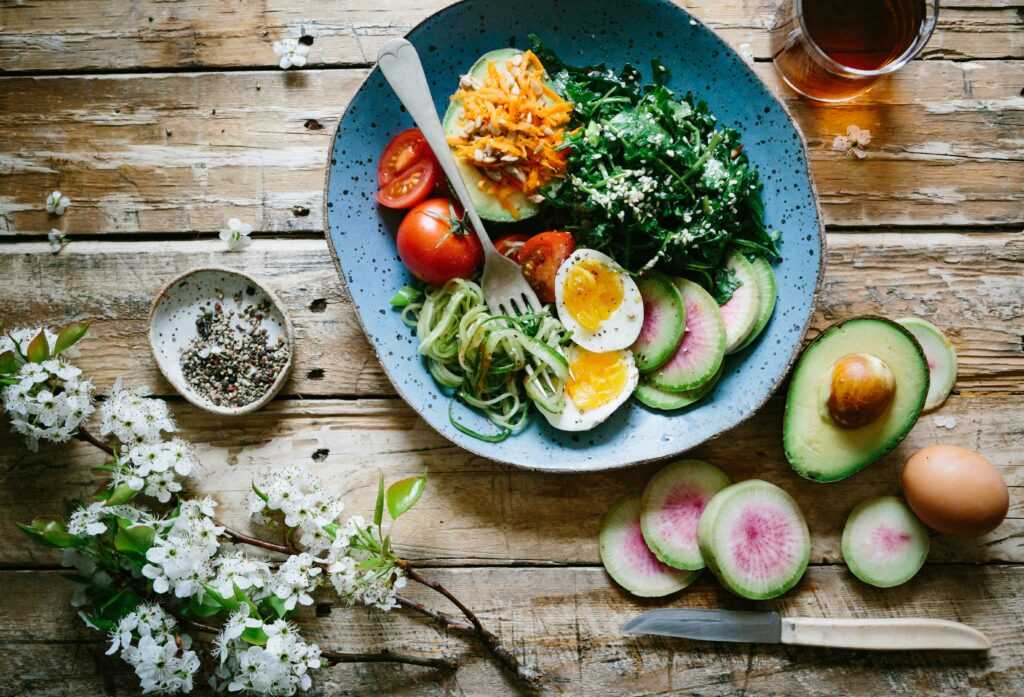
Good news: it doesn’t have to be fancy. Trade sugary cereal for plain oatmeal topped with nuts or fruit. Ditch the pastry for a couple of eggs and a slice of whole grain toast. The idea is simple fuel, not a sugar spike. Build it into your morning, even if mornings are rushed. It helps your body make better calls later so you don’t have to rely on discipline alone.
Hydration Over Hype
That afternoon slump? It’s often dehydration not hunger or lack of caffeine. Ditch the soda and skip the energy drinks. Your body needs water, not sugar and stimulants. The fix: plain water or something lightly infused with fruit or herbs. Keep it simple. Lemon slices. Cucumber. Mint. Done.
But here’s the key don’t make hydration into a sprint. Chugging a gallon at once doesn’t help much. Instead, sip consistently through the day. Keep a bottle nearby, make refills part of your routine, and let it become background, not a chore. Hydration works best when it’s a habit, not a performance.
One Ingredient Rule
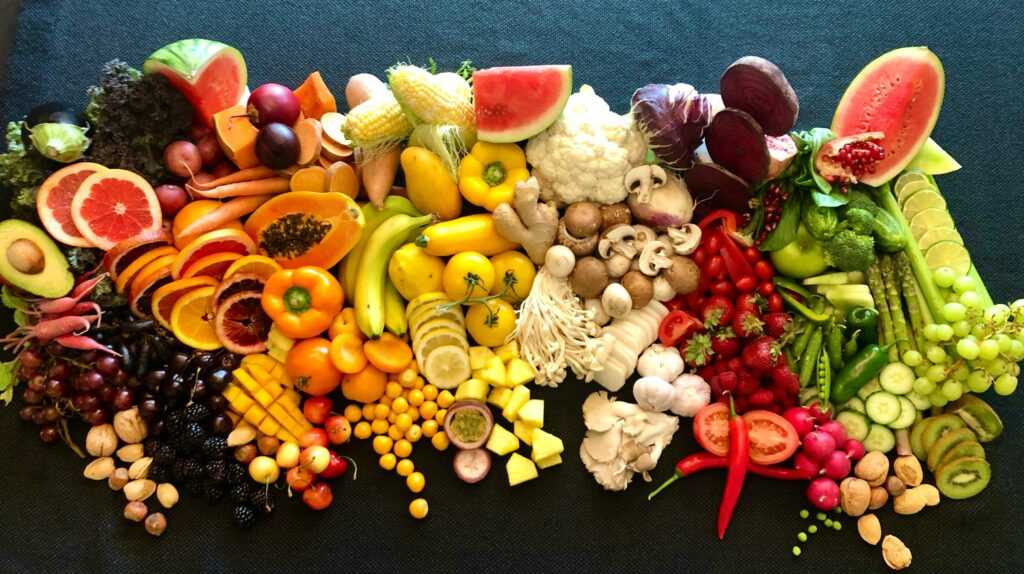
If it doesn’t come with a label or only needs one you’re on the right track. Whole, unprocessed foods are the foundation of any solid eating habit. Think: brown rice, eggs, leafy greens, chicken, apples. These are foods that don’t need marketing, because their benefits are built in.
The key is to build meals around these staples. A bowl of quinoa with roasted vegetables and grilled salmon isn’t just healthy it’s clear, simple, and keeps you full. Less guesswork. Fewer crashes. More control.
But the supermarket isn’t always straightforward. That’s where health washed products sneak in. These are items labeled with buzzwords like “natural,” “low fat,” “whole grain,” or “plant based,” but packed with additives, sugars, and fillers. A granola bar might sound healthy, but turn the package over and you’ll find it’s closer to a candy bar with a new outfit. Rule of thumb: if you’ve got to ask whether it’s real food, it probably isn’t.
Keep grocery trips sharp. Scan labels, buy mostly around the perimeter of the store, and trust your instincts. Real food doesn’t need to scream for attention.
Master the Power of Planned Snacking
That 3 p.m. energy slump? It’s real, and it hits harder when your last meal was a quick fix or coffee on an empty stomach. Smart snacking keeps your energy stable, your mind sharp, and your cravings in check. The key isn’t fancy ingredients it’s balance. Fiber plus protein does the heavy lifting here.
Think simple: an apple with a spoonful of nut butter, or plain Greek yogurt sprinkled with chia or pumpkin seeds. These combos digest slower, keep you full longer, and avoid that sugar spike and crash most packaged snacks deliver. Keeping go to options on hand means fewer vending machine regrets and better momentum through the tail end of your day.
Don’t Fear Healthy Fats
Fat isn’t the villain it was made out to be. In fact, if you’ve been cutting it out completely, you’re probably doing yourself a disservice. Foods like avocados, olive oil, almonds, and seeds aren’t just tasty they’re fuel.
Here’s the deal: fat helps keep you full, which means you’re less likely to reach for empty carbs an hour after lunch. It also plays a key role in absorbing important vitamins like A, D, E, and K. So that salad? It actually works better nutritionally when drizzled with a little olive oil.
Don’t go overboard with portions, but do stop avoiding fat entirely. The right fats can be the difference between feeling satisfied and feeling like you’re on a joyless diet treadmill.
Vegetables First, Always
Starting your meals with vegetables isn’t just a nutrition trend it’s a smart strategy rooted in both physiology and habit building. Whether you’re aiming to boost nutrients, curb overeating, or simply feel better after meals, veggies provide a powerful foundation.
Why Start with Veggies?
Blood Sugar Balance: Eating fiber rich vegetables first can help slow down digestion, leading to fewer blood sugar spikes and crashes.
Natural Appetite Control: Starting with bulkier, low calorie foods helps you feel fuller, faster. That can reduce the likelihood of overeating heavier, less nutritious parts of the meal.
Reinforces Habitual Eating Patterns: Making veggies the first bite trains your brain to associate meals with health forward decisions, creating momentum for better choices throughout the day.
How to Make Plant Based Plates Truly Satisfying
You don’t need to settle for bland or boring veggies. With a few thoughtful tweaks, vegetables can steal the spotlight in any meal.
Roast for Flavor: Roasting concentrates natural sugars and can transform even basic vegetables like carrots or cauliflower.
Layer with Texture: Combine raw, roasted, and steamed vegetables for a more engaging eating experience.
Dress It Up: Add a drizzle of tahini, a splash of olive oil, or a sprinkle of seeds for flavor and healthy fats.
Spice Strategically: Use herbs, spices, and citrus to elevate taste without relying on heavy sauces.
Making veggies the star of your plate isn’t about restriction it’s about rethinking balance and rewriting your nutritional baseline.
Understand Portion Cues
Calorie counting can burn you out fast. It works for some, but most people don’t want to crunch numbers every time they eat. There’s a simpler way: start paying attention to how you actually feel.
Hunger and fullness aren’t abstract they’re signals. When you slow down at meals and eat without distractions, you’re more likely to hear them. That means stopping when you’re satisfied, not stuffed. It also means trusting your body to guide what and how much it needs something no app can fine tune for you.
To keep it practical, use your hands. A fist sized portion for carbs, a palm for protein, a thumb of fat. It’s not perfect science, but it’s grounded and easy to remember. Smaller plates help too. Not because they control you, but because they keep the visual scale in check. You eat what you see, and when the plate’s less overwhelming, your gut has a chance to catch up.
Bottom line: ditch the calculator. Tune in instead.
Meal Prep Without the Overwhelm
Meal prep doesn’t need to look like a week of identical Tupperware containers. Keep it simple. Start by batch cooking basic building blocks: roast a sheet of chicken thighs, boil a pot of quinoa or brown rice, and wash and chop some greens. That’s it. You now have the foundation for meals you can mix and match all week without spending hours every night.
The key is flexibility. Prep with structure, but not a rigid script. Don’t pre pack every meal down to the minute. One night it’s a rice bowl. The next, a wrap. Maybe a quick skillet toss with greens and protein. This kind of prep keeps things fast during busy days without locking you into a boring food routine.
Think of it like outfitting your fridge with options, not mandates.
Rethink Your Sugar Habit
Sugar isn’t just in candy bars and bakery aisles. It’s hiding in pasta sauces, salad dressings, sandwich bread, and even so called “healthy” yogurts. If you’re trying to eat cleaner, the first step is reading labels not just for calories or fat but for sneaky sugars. Anything ending in “ ose” (like glucose or fructose), syrup, or malt is worth flagging.
You don’t need to gut your pantry overnight. Start with the obvious swaps ditch soda for sparkling water, trade sugary cereals for unsweetened oats. Then pull back gradually on the sweet stuff. Use ripe fruit to satisfy cravings. Try cinnamon for flavor instead of sugar. Real change comes when your taste buds recalibrate and stop chasing the sugar high. It’s not about going cold turkey it’s about staying in control.
Build Habits Around Consistency, Not Perfection
Forget the crash diets. Forget the guilt. If it doesn’t fit your life, it won’t last. Healthy eating in the real world isn’t about spotless meal prep or swearing off carbs forever. It’s about what actually sticks.
Start small. Maybe it’s always having a protein heavy snack in your bag, cooking a veggie loaded dinner twice a week, or finally drinking enough water without turning it into a competition. The key is stacking habits onto routines you already follow. Walk the dog? Add water after. Morning coffee? Toss in a handful of nuts or a banana.
This isn’t about chasing perfection it’s about building a rhythm that holds up on normal days, not just the good ones. You want resilience, not resentment. One small win at a time.
Explore more smart choices for your body with these overall health tips.
 Johnstere Shackelfords has opinions about dietary guidelines and plans. Informed ones, backed by real experience — but opinions nonetheless, and they doesn't try to disguise them as neutral observation. They thinks a lot of what gets written about Dietary Guidelines and Plans, Meal Planning and Preparation, Fitness Routines and Workouts is either too cautious to be useful or too confident to be credible, and they's work tends to sit deliberately in the space between those two failure modes.
Reading Johnstere's pieces, you get the sense of someone who has thought about this stuff seriously and arrived at actual conclusions — not just collected a range of perspectives and declined to pick one. That can be uncomfortable when they lands on something you disagree with. It's also why the writing is worth engaging with. Johnstere isn't interested in telling people what they want to hear. They is interested in telling them what they actually thinks, with enough reasoning behind it that you can push back if you want to. That kind of intellectual honesty is rarer than it should be.
What Johnstere is best at is the moment when a familiar topic reveals something unexpected — when the conventional wisdom turns out to be slightly off, or when a small shift in framing changes everything. They finds those moments consistently, which is why they's work tends to generate real discussion rather than just passive agreement.
Johnstere Shackelfords has opinions about dietary guidelines and plans. Informed ones, backed by real experience — but opinions nonetheless, and they doesn't try to disguise them as neutral observation. They thinks a lot of what gets written about Dietary Guidelines and Plans, Meal Planning and Preparation, Fitness Routines and Workouts is either too cautious to be useful or too confident to be credible, and they's work tends to sit deliberately in the space between those two failure modes.
Reading Johnstere's pieces, you get the sense of someone who has thought about this stuff seriously and arrived at actual conclusions — not just collected a range of perspectives and declined to pick one. That can be uncomfortable when they lands on something you disagree with. It's also why the writing is worth engaging with. Johnstere isn't interested in telling people what they want to hear. They is interested in telling them what they actually thinks, with enough reasoning behind it that you can push back if you want to. That kind of intellectual honesty is rarer than it should be.
What Johnstere is best at is the moment when a familiar topic reveals something unexpected — when the conventional wisdom turns out to be slightly off, or when a small shift in framing changes everything. They finds those moments consistently, which is why they's work tends to generate real discussion rather than just passive agreement.